Pillar page
Product design that turns complexity into something people can actually use
Product design is often talked about in vague, inflated language, but the reality is more practical and more commercially important than that. Good product design helps a digital product become clearer, calmer, easier to trust, and easier to grow. It shapes the product model, the user journeys, the interface hierarchy, the states, the system logic, and the way all of that turns into something a real team can actually ship. This page is a practical long-form guide to what product design really is, why it matters, where it creates leverage, what strong teams get right, and what founders should look for when they want a product to feel more mature.

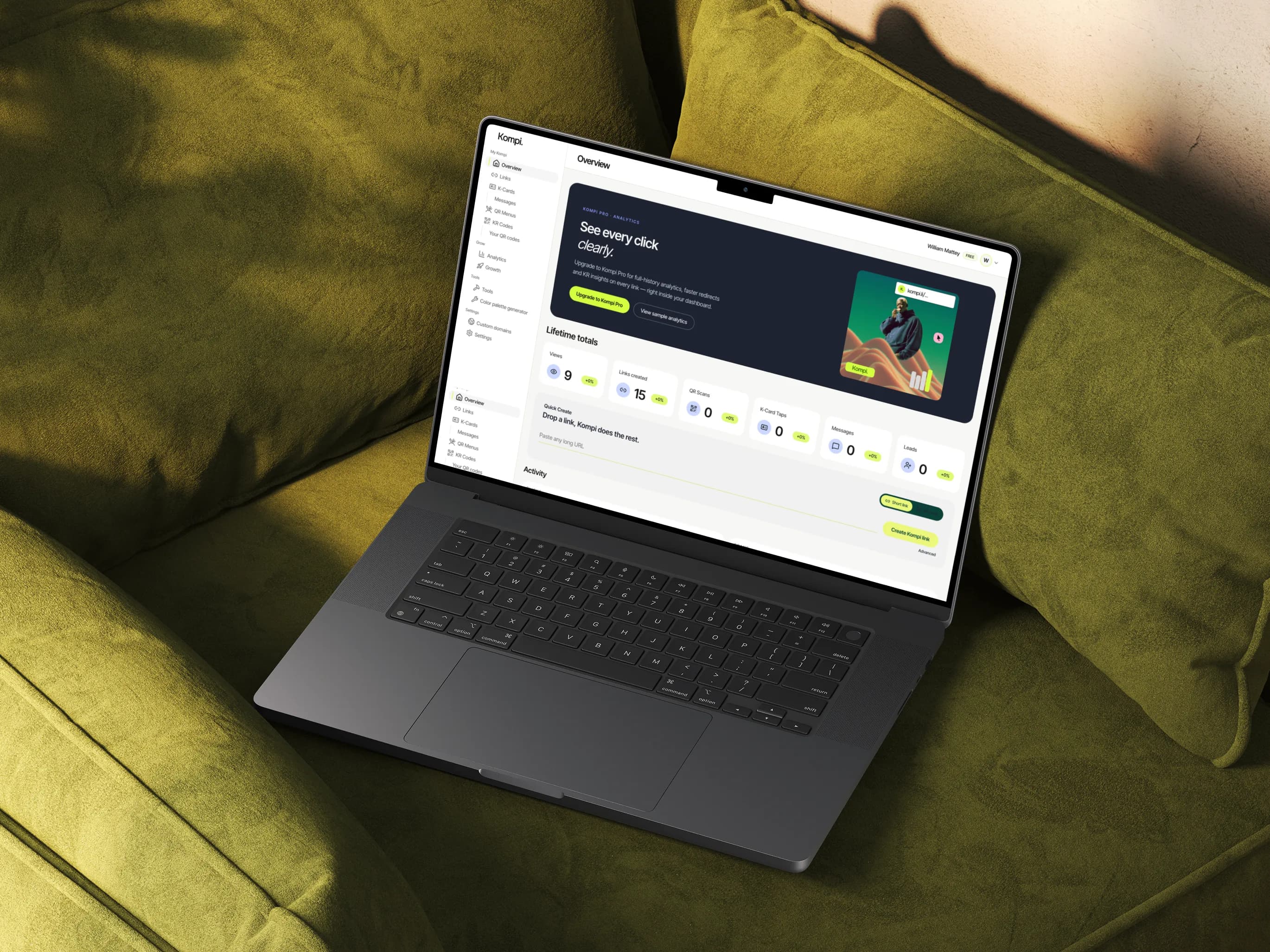

Product thinking
Good product design helps define what the product should be better at, not just how it should look.
UX clarity
Flow, hierarchy, state design, and task completion are where product design becomes tangible for users.
UI quality
Visual craft matters because it shapes trust, attention, credibility, and how easy the product feels to read.
System logic
The product scales better when patterns, rules, and structures are intentional rather than improvised.
Definition
What product design actually is once you strip away the fluffy language
Product design is the work of making a digital product more coherent from the inside out. That means understanding what the product is trying to do, how users move through it, what information matters most, what state the system is in at different moments, and how all of that should be expressed in a way that feels clear rather than burdensome. It includes strategy, UX, UI, and system logic—not as separate decorative layers, but as connected parts of one product reality.
The reason product design is often misunderstood is that the visible output tends to be screens. People see interfaces and assume the discipline is mainly visual. In practice, the visual layer is only convincing when the underlying product decisions are good. A clean interface cannot rescue a muddy product model forever. If the flow is wrong, if the structure is bloated, if the hierarchy is weak, or if the system states are confusing, the polish becomes cosmetic rather than meaningful.
That is why good product design often feels invisible to the people building it. It quietly removes points of confusion. It reduces the need for explanation. It makes the path through the product feel more natural, even when the underlying logic is quite complex. When it is done properly, users do not think about the discipline. They just feel that the product makes sense.
For teams, that clarity has internal value too. A well-designed product is easier to talk about, easier to build, easier to extend, and easier to keep coherent as the roadmap expands. Product design is therefore not just about making the product nicer. It is about making the product easier to run.
Another useful way to think about product design is as a bridge discipline. It connects ambition and reality. Founders often have a product vision. Engineers understand implementation constraints. Users bring real behaviour, real confusion, and real expectations. Product design sits in the middle of those forces and tries to turn them into something that feels focused rather than conflicted. The stronger the design thinking, the less visible that conflict becomes in the final experience.
This is also why product design tends to matter more as products become more capable. Simple products can survive roughness. More complex products usually cannot. As soon as there are multiple states, multiple user paths, dashboards, settings, data views, onboarding, notifications, edge cases, and account-level logic, the design layer starts doing a lot more structural work. At that point, product design is not just the difference between average and premium. It is often the difference between manageable and messy.
Value
Why product design matters more than many teams realise until the product starts struggling
A lot of teams only feel the importance of product design once the product becomes harder to manage. Support requests increase. Users drop out of onboarding. New features make the dashboard feel crowded. Engineers are rebuilding similar patterns because there is no clear system. PMs and designers spend too much time arguing about what users are actually supposed to notice first. All of that is usually explained internally as growth complexity, but much of it is design complexity.
Product design matters because it reduces this drag. It helps the product become more legible. It helps the team make sharper prioritisation decisions. It creates stronger boundaries between what is essential and what is secondary. It can reduce the need for explanation, reduce avoidable support friction, and create a more mature overall feel. That maturity matters commercially. People trust products that feel controlled.
There is also a compounding effect. When product design is strong early, later decisions become easier. New surfaces inherit more logic. Flows fit within clearer patterns. The interface remains recognisable even as features expand. When design is weak early, the opposite happens. Every new addition increases the burden on the whole system. Fixing it later is still possible, but it becomes more expensive.
This is why product design is such a leverage point. It improves how the product feels externally and how the team operates internally. It is one of the few disciplines that can affect user trust, conversion, operational speed, and long-term coherence at the same time.
It also shapes how the product is perceived by people who are not yet deep users. Investors, prospects, partners, and even potential hires make judgments based on product quality. They may not use the language of hierarchy, system clarity, or state design, but they absolutely react to whether a product feels considered. A product that feels coherent often makes the company feel more credible.
This is especially important for startup and SaaS environments. When the product is the business, design is not a side concern. Weak UX becomes commercial friction. Confusing flows become churn risk. Heavy interfaces reduce confidence. Strong product design helps avoid those costs before they harden into operational habits.

Ingredients
What good product design should include if it is doing its job properly
Good product design usually includes several layers of thinking at once. There is the product layer: what the product actually is, who it is for, and what it should prioritise. There is the flow layer: how a user moves through a key journey, what information they need, and what decisions or states they encounter. There is the interface layer: typography, spacing, layout, emphasis, feedback, and visual tone. And there is the systems layer: repeatable patterns, components, state logic, and rules that make the product scalable.
These layers should reinforce each other rather than compete. If a team has a sharp product strategy but weak interface hierarchy, users still struggle. If the UI looks premium but the flow logic is bloated, the experience still feels harder than it should. If the product has strong screens but no system consistency, the team still accumulates debt every time new work ships. Good product design recognises that each layer supports the others.
There is also a tone layer that people often overlook. Products communicate through more than just content. They communicate through visual control, restraint, rhythm, and clarity. A calm interface can make a complex product feel more manageable. A noisy interface can make a relatively simple product feel unreliable. That is why UI quality matters inside product design—not as styling for its own sake, but as part of how the product is interpreted.
At its best, product design becomes a form of disciplined reduction. It makes the product easier to understand without flattening what makes it valuable.
Good product design also includes content thinking. Many teams underestimate how much copy, labels, button text, helper text, empty states, and system messaging shape the user experience. If a product is visually elegant but semantically vague, the user still pays the cost. Great product design therefore pays close attention to the language of the interface, not just the visual structure around it.
Finally, good product design includes implementation awareness. A product only becomes valuable when it exists in use, not just in design files. The best design work tends to respect that. It pushes quality without losing contact with build reality, component logic, and the operational constraints of the team.

Mistakes
The most common product design mistakes that make digital products feel worse than they need to
The first mistake is designing too much before the product shape is clear. This often happens in startups. Teams get excited about output and start creating screens before they have agreed on the core product job. The design work looks productive, but it is built on unstable assumptions. Later, the product direction changes and much of the work has to be redone.
The second mistake is treating UI polish as a fix for structural problems. Better visual design can improve a lot, but it cannot fully hide a bloated flow, weak hierarchy, unclear states, or bad sequencing. If the underlying product logic is wrong, interface polish eventually becomes expensive theatre.
The third mistake is allowing every new feature to invent its own rules. This is how products become fragmented. Buttons behave differently across contexts. States are expressed inconsistently. Navigation logic drifts. Different surfaces feel like different products. Users may not describe the issue in those terms, but they feel the strain. The product starts to feel less confident.
The fourth mistake is underestimating content and state language. Many products spend a lot of time on visual craft and far too little on how the interface actually speaks. If the system is vague about what happened, what is expected, or what the user should do next, the product feels weaker. Good product design pays close attention to language because it is part of the experience, not a detail after the fact.
A fifth mistake is overloading dashboards and home surfaces because every stakeholder wants their metric, banner, or shortcut to be visible immediately. The result is often a product that contains lots of useful information but no clear prioritisation. Strong product design is willing to edit. It understands that visibility is not the same as clarity.
A sixth mistake is confusing inspiration with relevance. Teams often borrow patterns from products they admire without asking whether those patterns fit their own product model, user context, or complexity level. Good product design is not trend-following. It is fit-for-purpose decision making.
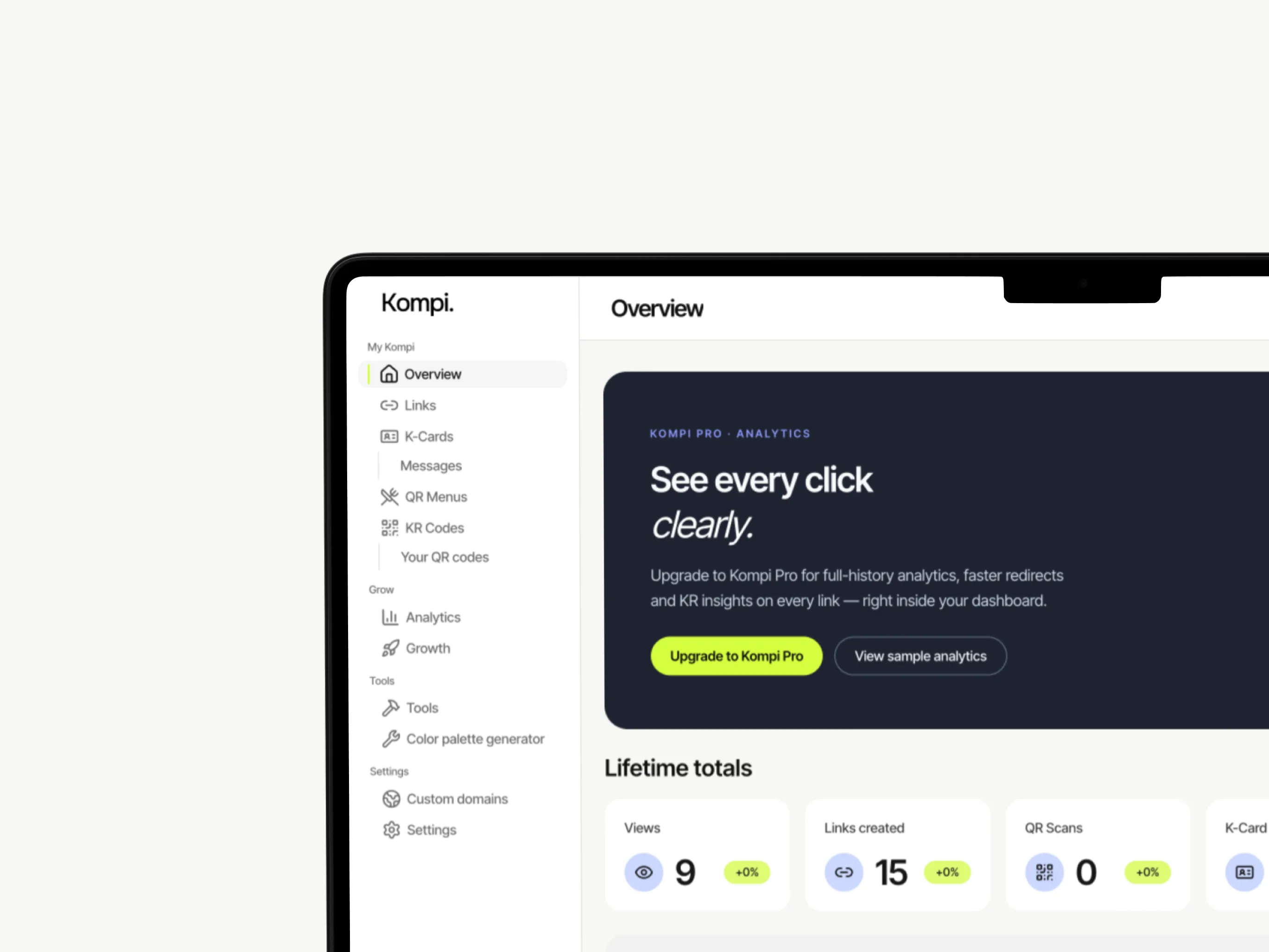
Startups and SaaS
How product design helps startups and SaaS teams in the real world
Startups benefit from product design because they are usually trying to create clarity under pressure. They have limited time, limited engineering capacity, evolving ideas, and a need to look more mature than they currently are. Product design helps them choose what matters most. It prevents the first version from trying to be every future version at once. It gives the product a stronger spine.
For SaaS teams, product design matters because the product often becomes the business. A weak dashboard, muddy onboarding, or incoherent account experience does not just create UX friction—it creates churn risk, lower confidence, slower adoption, and more support burden. Better product design can make the product feel more intelligible, easier to navigate, and more professional at a category level.
In both cases, the core value is similar. Product design creates better focus. It improves usability. It makes the product easier to evolve. It also creates better proof. When a product is presented clearly, it becomes easier to sell, easier to explain, and easier to believe in.
That is especially important for founders. Often the best product design decision is not adding more, but removing enough that the core product becomes obvious.
This is also where internal linking on a site like yours matters. A broad product design page can serve as the central pillar that routes people toward more specific services like freelance product designer, fintech product designer, or product design consultant, while also connecting to authority content such as product process and design tools. The commercial and editorial sides support each other.
That is why a strong product design pillar should do two jobs at once. It should help people understand the topic, and it should help the right people realise they may need expert support.
Approach
How I approach product design work when the goal is a stronger shipped product
I approach product design as a connected discipline rather than a handoff chain. I care about what the product is trying to become, where the friction sits today, which surfaces carry the most leverage, and how the interface can become sharper without disconnecting from implementation reality. I like product work that sits between business logic and visual precision, because that is usually where stronger design makes the biggest difference.
That often means simplifying first. What is too heavy? What is trying to communicate too many things at once? What can be reduced without reducing value? Which surfaces deserve the most attention because they shape trust, conversion, or long-term usability? Once that is clearer, the design work becomes much more useful. It becomes easier to create calmer screens, stronger hierarchy, and a more mature system.
I also care about proof. The pages on a portfolio site should not just imply taste. They should show that the work reflects product judgment. That is why I prefer product design that reveals underlying thought, not just a gallery of polished end states.
The end goal is always the same: a digital product that feels more inevitable, more controlled, and more confident than it did before.
Because I also think closely about front-end execution, I tend to make design choices that are ambitious but still realistic. That helps when a team wants premium output without building a system that becomes expensive to maintain immediately.
I am especially comfortable in products where trust, clarity, interface quality, and business logic all need to coexist—SaaS, fintech, marketplaces, and more structured digital tools. Those are the environments where product design stops being cosmetic and starts becoming one of the main engines of product quality.
Internal linking cluster
Keep exploring the topic properly
These links are not filler. They keep the content cluster tighter around product design, fintech, startup UX, strategy, tooling, and commercial hire intent.
Frequently asked questions
The long-tail questions people actually ask
What is product design in simple terms?
It is the work of making a digital product more coherent, usable, credible, and scalable through better product thinking, UX, UI, and system decisions.
Is product design the same as UX design?
Not quite. UX is a major part of product design, but product design often stretches further into product structure, prioritisation, interface tone, and system logic.
Why does product design matter to startups?
Because startups need focus. Good product design helps them simplify scope, improve clarity, and create a stronger first version of the product.
Can product design improve conversion and retention?
Yes. Better onboarding, clearer hierarchy, stronger state design, and calmer flows often improve both conversion and long-term product confidence.
Final thought
Product design should make the product feel more obvious in the best possible way
When the product is clearer, more coherent, and more controlled, users feel it immediately. So do founders, engineers, and everyone else trying to build around it.