Expertise
Fintech UX design for better trust, better flow, and fewer hesitation points
Fintech UX design is really about reducing the amount of doubt a user experiences while trying to do something important. That might be opening an account, verifying identity, connecting a bank, reading a balance, understanding a payout state, or deciding whether to complete a payment. In all of those moments, a weak interface does more than inconvenience people. It introduces uncertainty. Strong fintech UX solves that uncertainty through structure, continuity, calm hierarchy, and better explanation at exactly the moments where users are most likely to stop, question, or abandon.
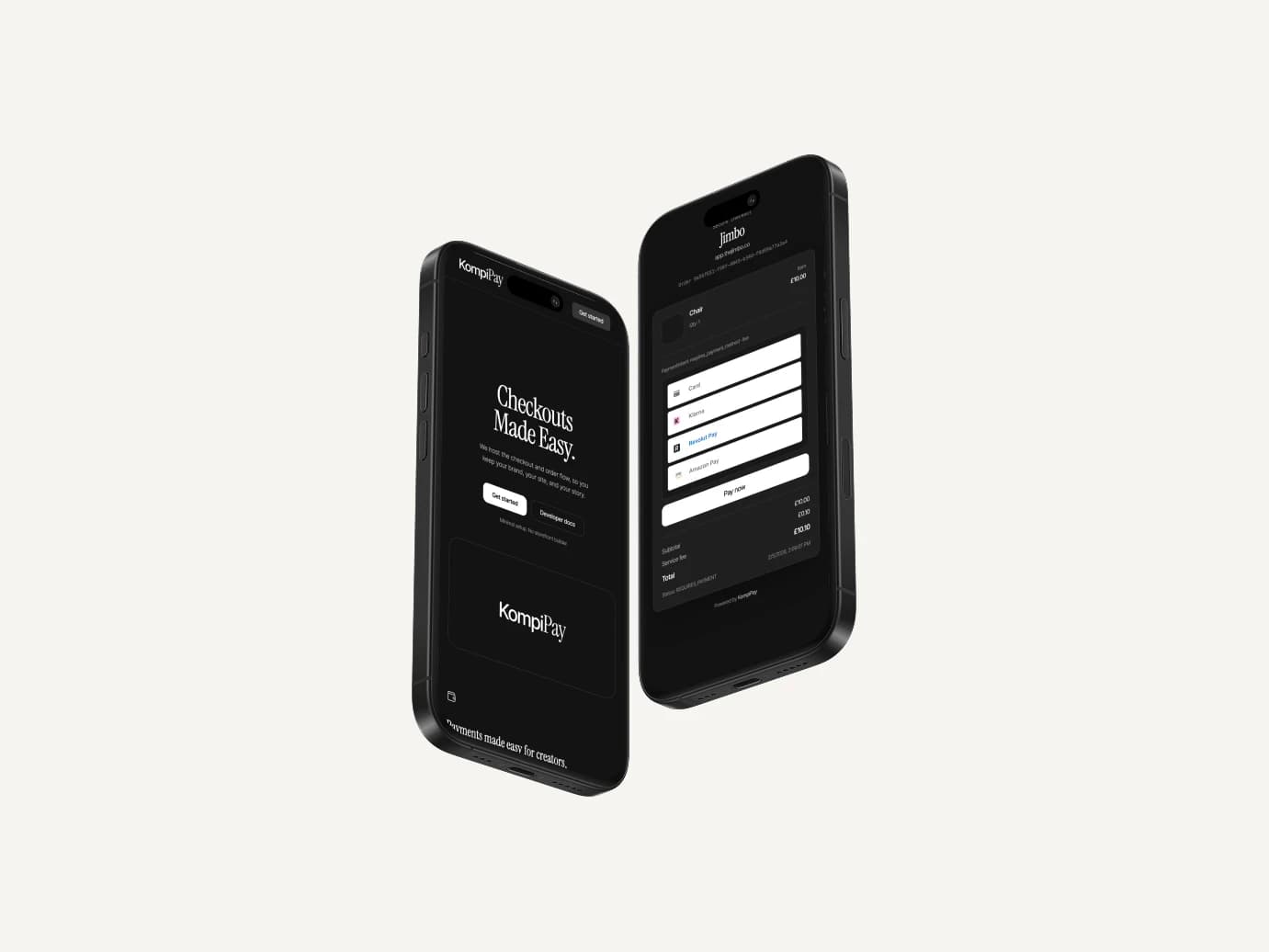
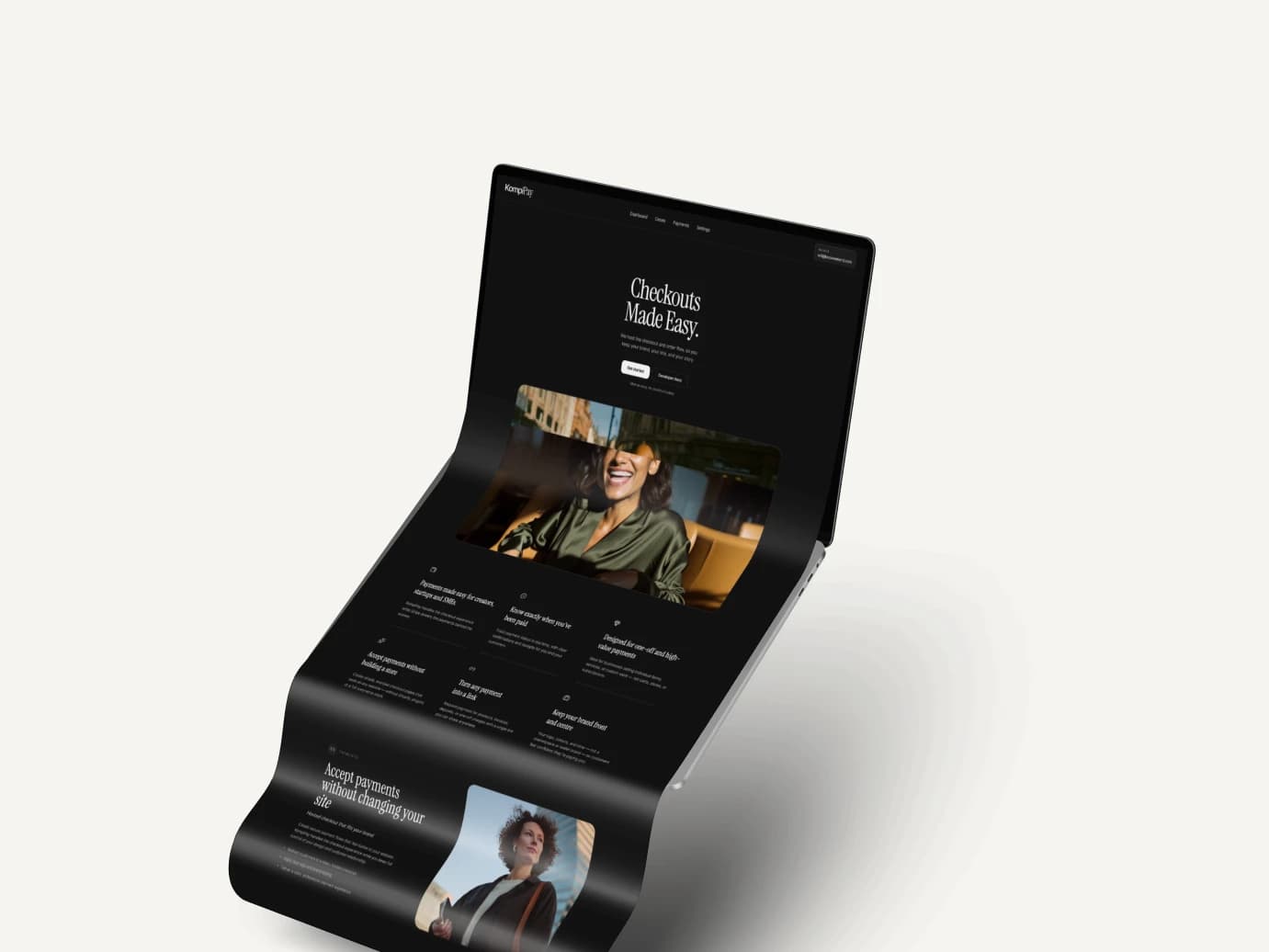
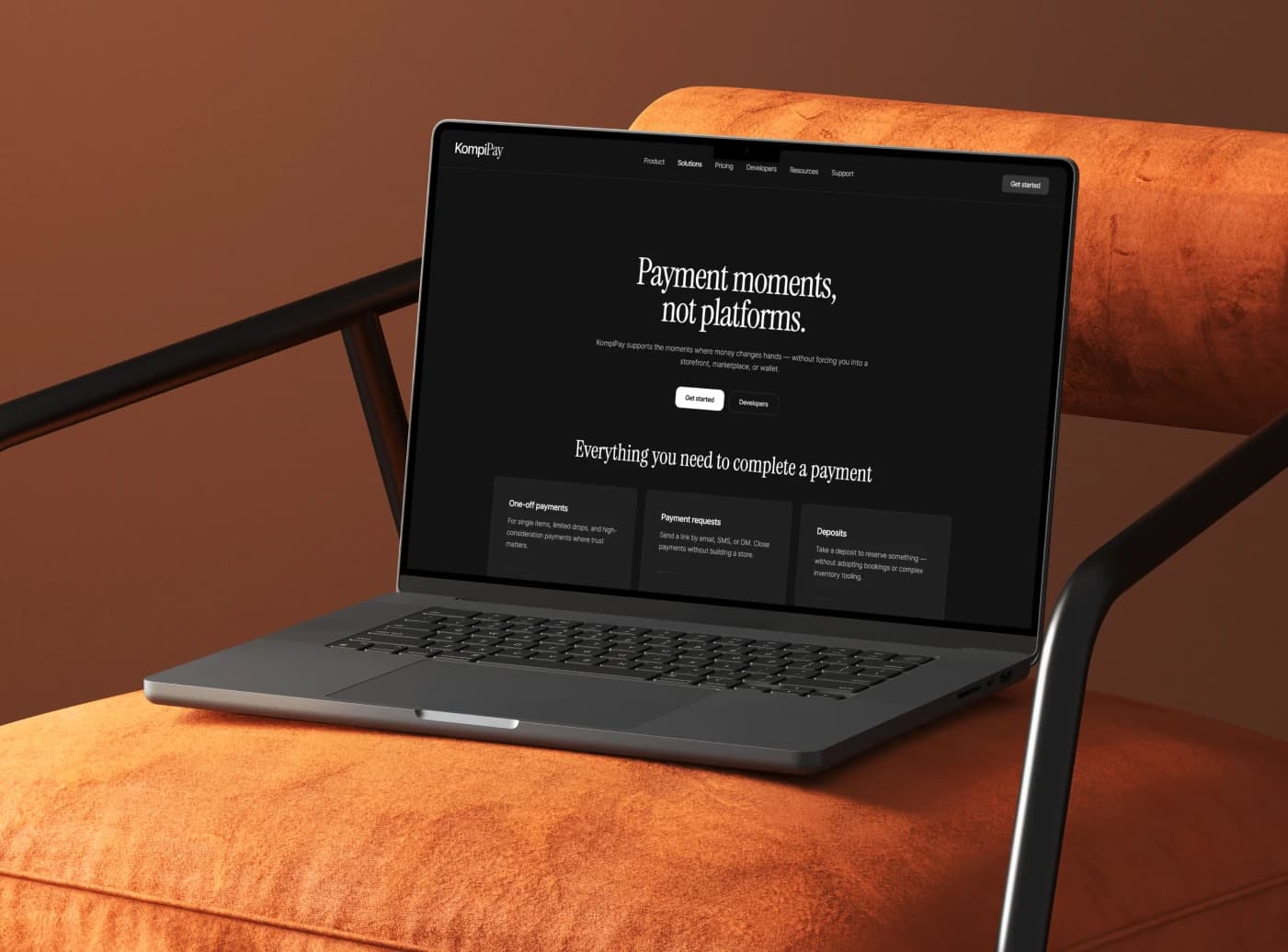
Trust pressure
Fintech interfaces are interpreted under a higher level of caution than most other digital products.
State pressure
Pending, under review, failed, cleared, syncing, refunded—state language is part of the UX itself.
Decision pressure
Dashboards and transaction flows often carry more cognitive weight, so hierarchy matters more than visual novelty.
Continuity pressure
Users notice when the product feels inconsistent between marketing, onboarding, checkout, and logged-in surfaces.
Difference
Why fintech UX needs to be treated as its own discipline rather than generic app design
Fintech products carry a different emotional charge. Users are more alert to signals of legitimacy, more sensitive to ambiguity, and more likely to interpret interface roughness as organisational weakness. A visual hiccup in a social app is forgettable. A visual hiccup in a finance product can make the system feel unsafe, unfinished, or unprofessional. That difference matters.
This is why fintech UX cannot just be reduced to cleaner UI. It has to account for trust psychology, state communication, sequence, and the cognitive load of money-related decisions. When someone is reviewing a payout, waiting for approval, reading a balance, or entering personal information, the interface is communicating much more than instructions. It is communicating confidence. It is telling the user whether the system feels solid enough to trust.
A lot of teams compensate for this with generic trust signals—badges, shields, claims about security, enterprise visuals. Some of that has its place, but it is secondary. The main source of trust is still the experience itself. Does the product explain itself clearly? Does it show progress? Does it handle uncertainty well? Does it frame next actions properly? Does it feel visually controlled? That is the real substance of fintech UX.
Once you see that, the job changes. You stop asking how to make the product look more fintech and start asking how to make it feel more credible in use.
User needs
What users actually need from fintech products when they are under pressure
Users generally need three things from a fintech product: clarity about what is happening, confidence about what to do next, and reassurance about whether the system is behaving as expected. Those needs sound basic, but in financial UX they become more intense because the cost of confusion feels higher.
When a user enters an onboarding flow, they need to know why the process exists, how far through they are, what will happen after completion, and whether the information requested is normal. When they open a dashboard, they need to understand what matters now, which balances or states require interpretation, and whether any action is needed. When they complete a payment, they need confidence that the system has registered the action correctly and that the result is reliable.
These are not just informational needs. They are emotional needs. A product can technically provide the required data and still fail the UX if it delivers that data in a cluttered, vague, or awkward way. Better fintech UX reduces mental overhead around interpretation.
That is why hierarchy matters so much. It is not just aesthetic preference. It is a way of lowering cognitive pressure at the moments where the user most needs the product to feel stable.
Onboarding
How to design better fintech onboarding without making the experience feel bureaucratic
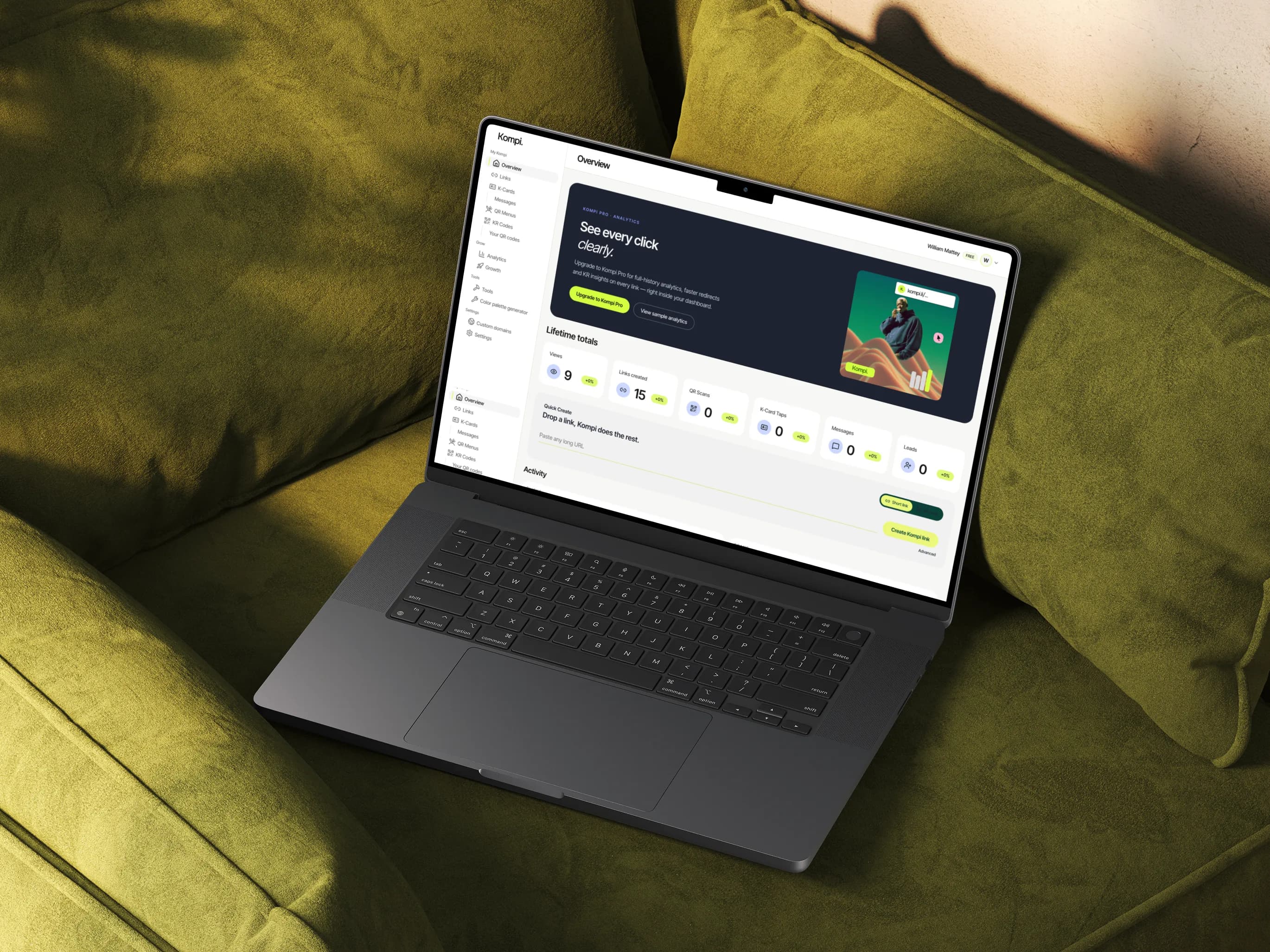
Good fintech onboarding usually starts by making the purpose of the process explicit. Too many onboarding flows behave like they are embarrassed to explain themselves. The user is simply dropped into a series of requests with thin framing and weak progress cues. That creates drag instantly. People comply more willingly when the flow feels intentional and bounded.
The second improvement is sequencing. Not every requirement needs to appear in the earliest possible step. Some information can be deferred. Some explanations need to come before the request rather than after. Some steps should be broken into smaller moments rather than compressed into one heavy page. Fintech teams often know the backend requirements extremely well but express them in the UI as if the product’s main job is to collect data, not guide confidence.
The third improvement is progress visibility. When users can see where they are, what is left, and what happens next, even a longer flow feels more manageable. This is especially important for KYC-heavy experiences, where the process can feel intrusive if the interface does not do enough emotional framing.
The fourth improvement is copy. Fintech copy often becomes sterile because teams optimise for safety and forget that clarity can still sound human. The product does not need to become casual. It does need to avoid sounding like a legal abstraction machine.
Dashboards
How to make fintech dashboards feel clearer without oversimplifying the product
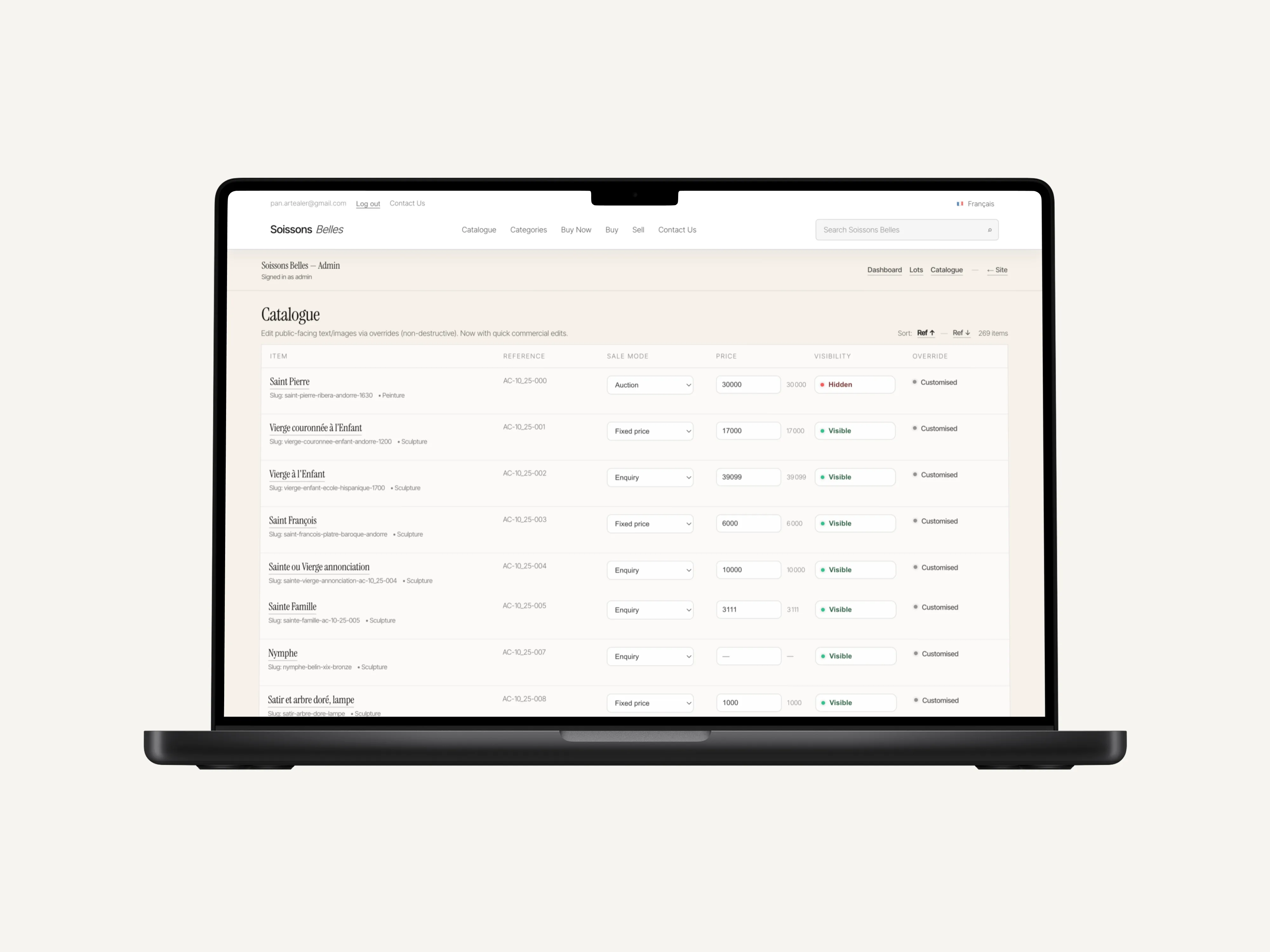
A dashboard is often where a fintech product reveals whether it has real hierarchy or just accumulated widgets. The stronger dashboards are usually editorial. They decide what deserves immediate attention, what belongs at secondary level, and what should only appear when the user moves into a deeper task. That editorial judgment is one of the most important and most neglected parts of fintech UX.
Many weak dashboards are not weak because they lack functionality. They are weak because they ask the user to do too much scanning before understanding what matters. Balance cards fight with tables. Alerts fight with summary panels. Filters fight with charts. Navigation areas compete with in-page actions. The interface becomes noisy by default.
Better dashboards do not necessarily show less information. They show it with stronger priorities. They establish a reading order. They make primary states more obvious. They reduce stylistic tension. They create enough breathing room that the user feels more in control. This is especially important in finance, where the user may already be approaching the product with a more serious mindset.
In other words, the dashboard should feel like a controlled instrument panel, not a storage room for every possible metric.
Tone and states
Why tone, visual discipline, and state design matter so much in fintech UX
Fintech products communicate credibility through more than content. Typography, spacing, state treatment, colour restraint, icon use, motion, and microcopy all shape how stable the system feels. A product that is visually inconsistent or too eager to show everything at once often feels less trustworthy, even when the underlying security is excellent.
State design is where this becomes especially visible. If a payment is pending, the user needs to know what that means in practice. If an account is under review, the product should frame the waiting period with enough confidence that the user does not assume failure. If a process fails, the product should communicate the failure clearly and constructively rather than simply stating that something went wrong in generic terms.
Visual tone also matters because financial interfaces can swing toward two bad extremes. One is cold, generic enterprise sameness. The other is oversold consumer polish that feels thin once the product becomes more complex. The best middle ground is usually a product that feels calm, exact, premium, and deliberate.
That tone becomes part of the trust signal. Not because it is decorative, but because it tells users the product has been cared for with real discipline.
Scale
How fintech UX should evolve as the product becomes larger and more complex
As fintech products grow, the UX challenge shifts from flow clarity alone to system coherence. New features introduce more states, more entities, more navigation depth, more permissions, more reporting, and more operational nuance. If the product has no system logic, that complexity starts to leak everywhere. Interfaces feel patched rather than planned.
This is why scaling fintech UX is not just about adding more screens. It is about creating rules. Which patterns should repeat? How should different states be expressed? What are the hierarchy principles? How are alerts treated? What belongs at top level versus deeper in the product? Which UI decisions are fixed, and which can adapt to context? Those rules help both users and teams.
A strong system does not remove flexibility. It removes needless reinvention. It gives the product a stronger sense of identity as it expands. That is especially valuable in fintech because continuity is part of the trust model.
The best fintech UX eventually stops feeling like a collection of good screens and starts feeling like one well-run product. That is the standard worth aiming for.
Internal linking cluster
Keep exploring the topic properly
These links are not filler. They keep the content cluster tighter around product design, fintech, startup UX, strategy, tooling, and commercial hire intent.

External authority
Useful sources worth clicking
A small set of stronger external references that support the wider subject without turning the page into a noisy link dump.
Frequently asked questions
The long-tail questions people actually ask
What makes fintech UX different from regular SaaS UX?
The user carries more caution, the product has more trust-sensitive states, and mistakes or ambiguity feel more consequential.
What should a fintech team improve first?
Usually onboarding, dashboard hierarchy, or transaction-state communication, because those are the areas where trust and confusion collide most visibly.
Does better fintech UX reduce support load?
Often yes. Clearer states, better copy, and calmer hierarchy can remove a lot of avoidable confusion before it reaches support.
Should fintech UX be very serious-looking?
It should feel credible and controlled, but not lifeless. The best products often feel calm, premium, and exact rather than stiff.
Final thought
Good fintech UX makes the user feel more informed before it makes the product feel impressive
That is why clarity, sequence, state design, and restraint matter so much. When the product feels stable under pressure, trust becomes easier to earn.