Hire
SaaS product designer for clearer onboarding, calmer dashboards, and stronger product systems
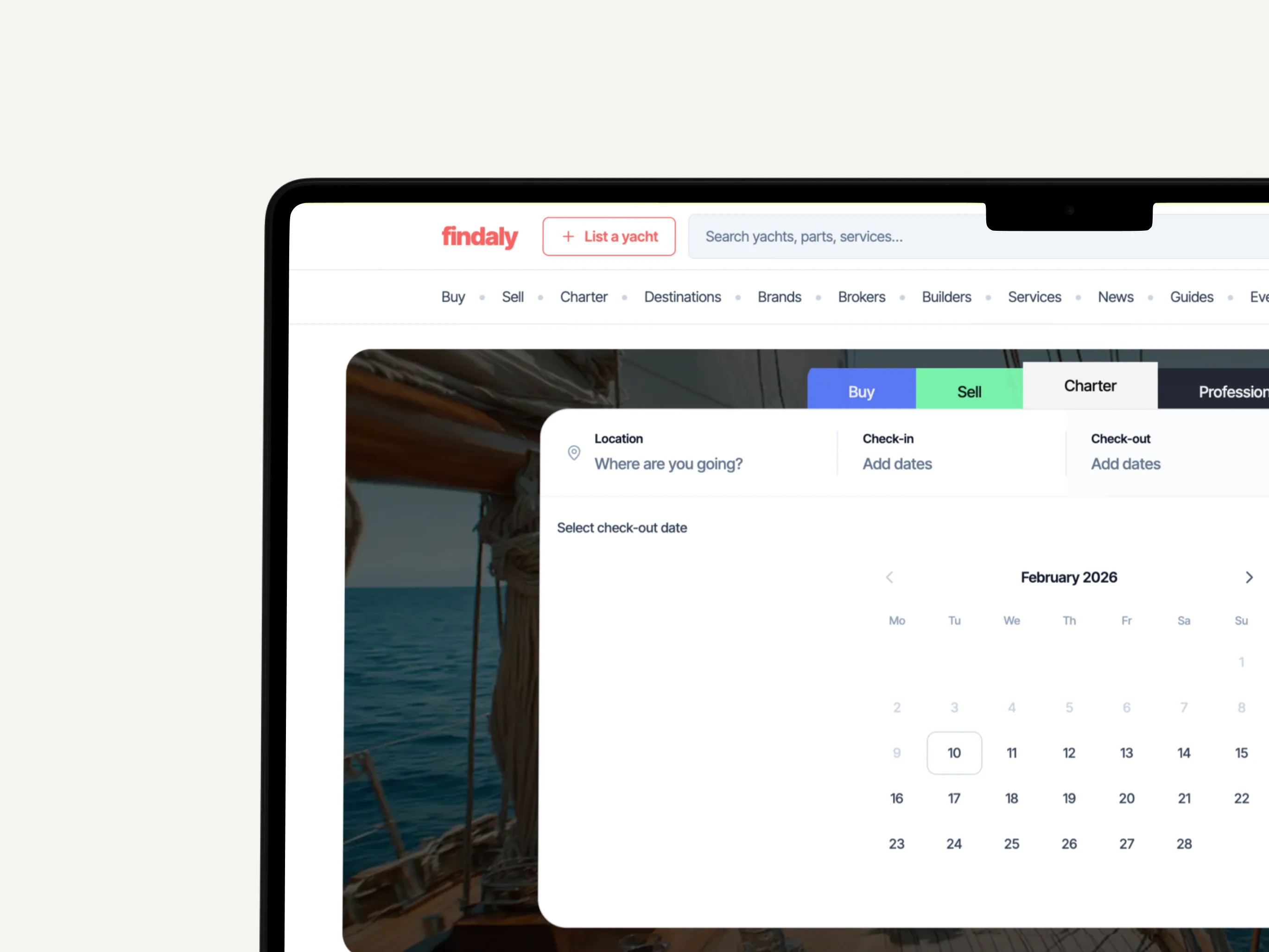
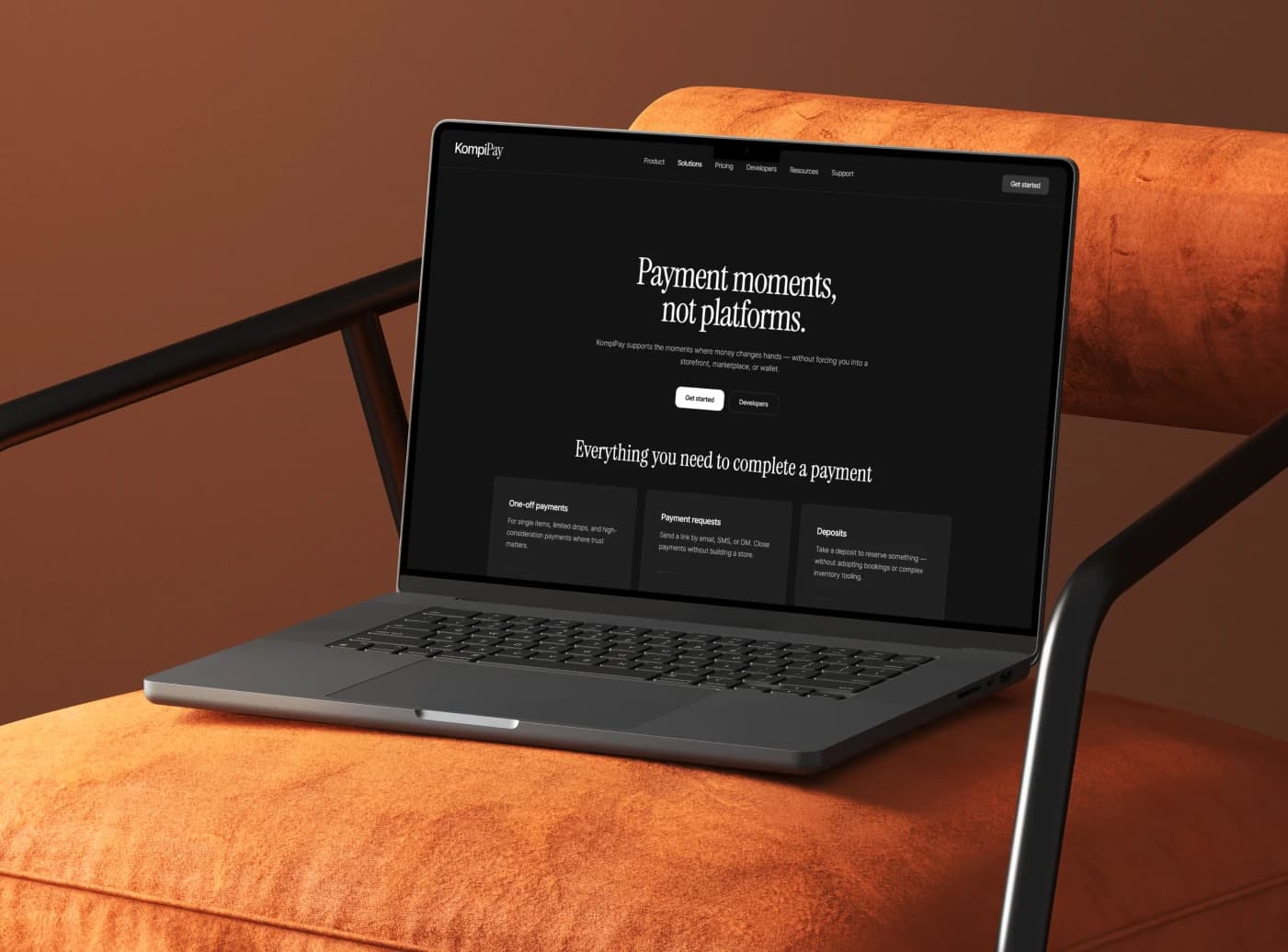
SaaS products live or die by clarity. If onboarding is too heavy, activation suffers. If dashboards are too cluttered, users lose confidence. If the system is inconsistent, every new feature adds more friction than value. A good SaaS product designer helps the product feel easier to understand, easier to navigate, and more mature overall. I work with SaaS teams that need stronger UX, sharper interface hierarchy, better system logic, and a product experience that feels more deliberate from the first interaction to the deepest operational surface.
Activation
SaaS products need clearer onboarding and faster comprehension if they want stronger activation.
Dashboard logic
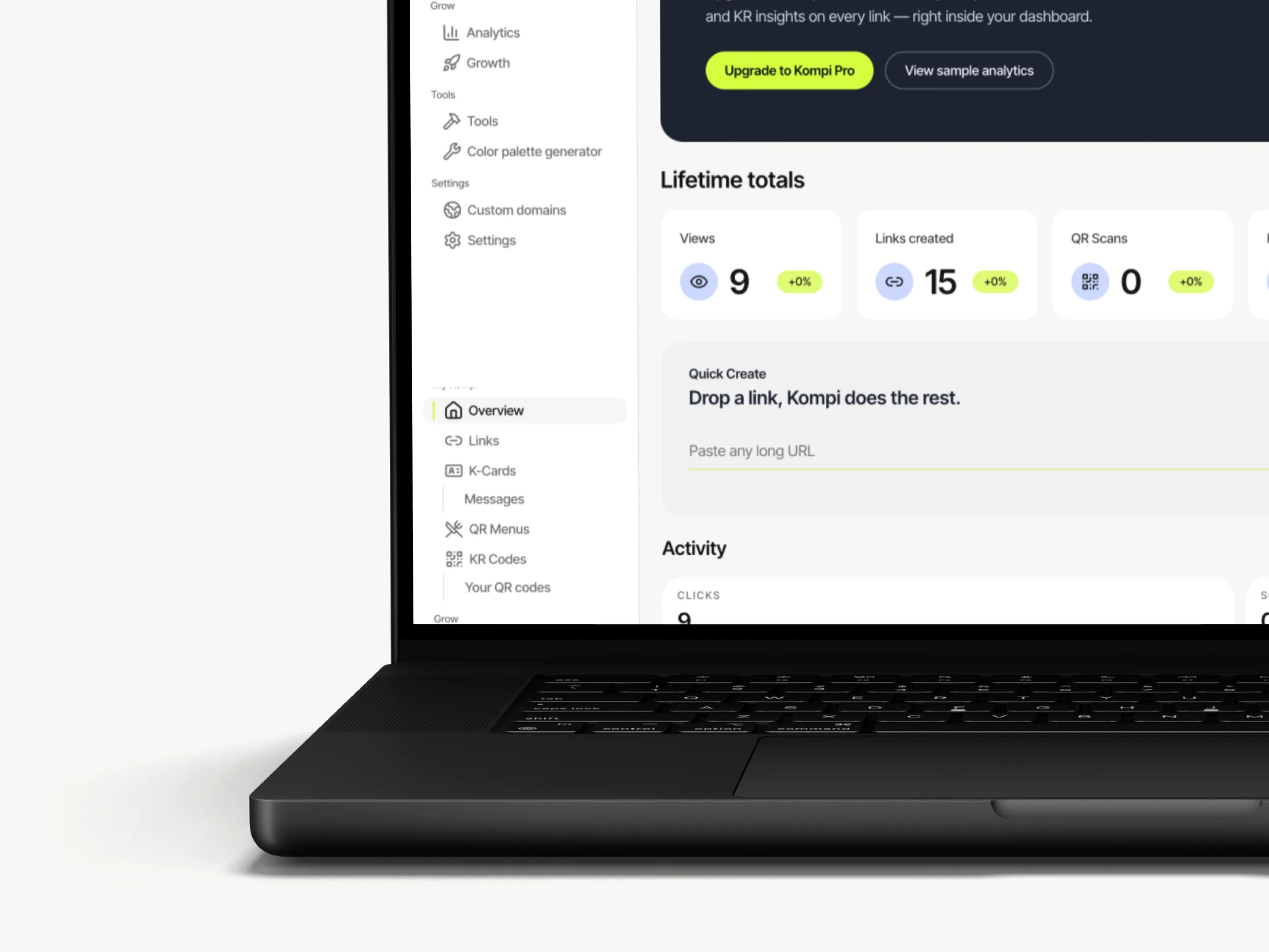
A lot of SaaS UX strength comes down to information hierarchy, prioritisation, and calmer data surfaces.
System quality
The product gets easier to extend when patterns, states, and behaviours are more intentional.
Retention support
Better SaaS product design improves the everyday feel of the product, not just the first impression.
Context
Why SaaS products need stronger product design than many teams initially expect
SaaS products are often deceptively demanding. They may not look dramatic at first glance, but they are usually filled with states, settings, dashboards, workflows, permissions, tables, alerts, filters, integrations, and repeated user behaviours that all need to feel understandable. That means product design matters a lot. If the structure is weak, the product becomes tiring. If the hierarchy is weak, the interface becomes noisy. If the system logic is weak, every new release adds more friction.
This is why SaaS product design should not be treated as UI decoration around an already-finished product. The design work helps determine what matters, how it is prioritised, how it is expressed, and how coherently the product grows over time.
A strong SaaS product feels easier than its underlying complexity. That is usually the clearest sign that good product design is doing its job.
This matters commercially as well. SaaS buyers and users read product quality quickly. A calmer, more coherent interface makes the product feel more mature, more trustworthy, and more worth committing to.
For products competing in crowded categories, that can make a real difference.
Friction
Where SaaS products usually lose clarity as they grow
One major failure point is onboarding. Teams know what the product does, so they underestimate how much framing new users need. Another is the dashboard or main working surface, where everything starts competing for attention: cards, metrics, tables, tasks, alerts, filters, sidebars, quick actions. The product contains value, but not enough editorial control.
Another common problem is feature accumulation. The product adds capability faster than it refreshes hierarchy. Over time, different areas begin to feel like they were designed under different assumptions. States are expressed unevenly. Navigation gets stretched. Similar actions look different in different contexts.
A further problem is that product teams often normalise this internally. They adapt to the product’s complexity and stop noticing the mental load users are carrying.
Good SaaS design work often starts by revealing this drift more honestly. Once that happens, the team can begin improving the product as a system rather than just patching individual screens.
Role
What a SaaS product designer should actually improve beyond visual polish
A strong SaaS product designer should improve onboarding, hierarchy, dashboard clarity, navigation logic, state communication, and overall system consistency. They should also be able to think in terms of product leverage. Which surfaces matter most? Which states need stronger explanation? Which flows are too heavy? Which features are fighting for attention rather than working together?
The role is partly about interface craft, but it is also heavily about product judgment. Better typography, spacing, and visual rhythm matter because they improve readability and trust. Better structure matters because it reduces mental effort. Better system logic matters because it makes the product easier to extend without creating UX debt every quarter.
In other words, a SaaS product designer should make the product easier to understand and easier to grow at the same time.
That usually means being able to work across several levels: product reasoning, UX, UI, and systems.
Leverage points
Why onboarding and dashboards carry so much weight in SaaS products
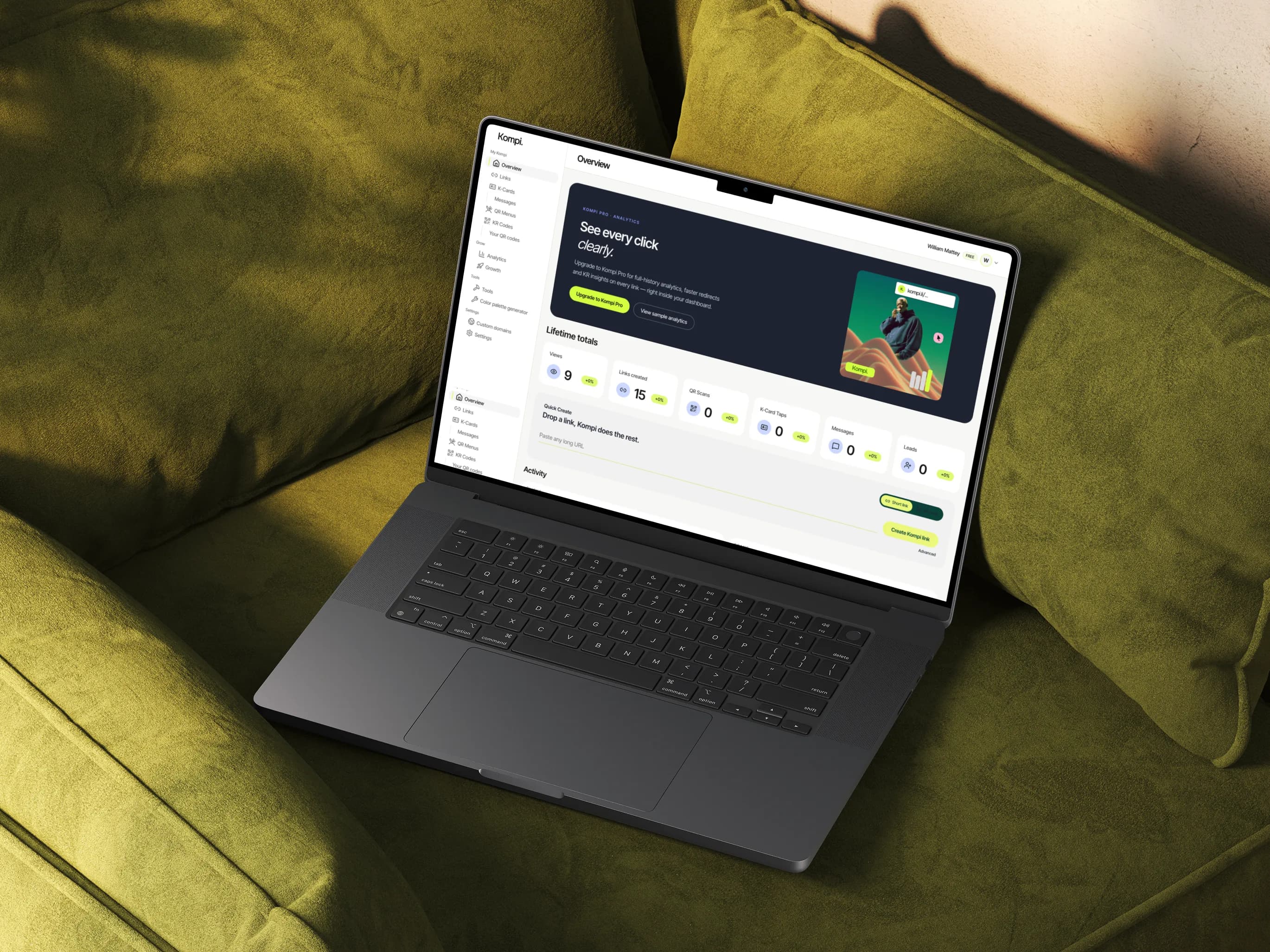
Onboarding shapes the first real belief a user forms about the product. If it feels too heavy, too vague, or too bureaucratic, activation becomes harder. Dashboard design shapes the ongoing working relationship. If the dashboard is cluttered or hard to scan, the product feels harder than it should be every single time the user returns.
That is why these two surfaces usually deserve the most attention first. They carry trust, orientation, and daily usability. Small improvements here can create disproportionate gains in how the product feels overall.
A better onboarding flow can make the product easier to adopt. A better dashboard can make it easier to keep using. Together, those two layers often shape more of the SaaS experience than teams initially realise.
That is why I tend to prioritise them heavily when working with SaaS products that feel muddy, busy, or more operationally complex than they need to.

Commercial impact
How better product design helps SaaS growth, activation, and retention
Better SaaS product design helps growth because users understand the product faster. It helps activation because key flows feel clearer. It helps retention because the product feels calmer and more competent in repeated use. It helps internal teams because the system becomes easier to evolve.
There is also a perception effect. SaaS buyers often use interface quality as a proxy for product maturity. A more coherent product feels more established, even if the company itself is still relatively lean. That can affect sales confidence, onboarding expectations, and overall willingness to commit.
For internal teams, better design means fewer ambiguous patterns, cleaner handoff, and a more stable basis for future features. That reduces the operational drag that accumulates when products grow without enough system quality.
This is why SaaS product design is not just about making dashboards prettier. It affects how the business works.
Working style
How I work with SaaS teams that want a stronger product
I like working with SaaS teams that know the product has real value but also know the experience is heavier, noisier, or less coherent than it should be. I usually start by identifying the leverage points: onboarding, dashboard hierarchy, navigation, state design, or broader product system issues.
From there, I prefer work that becomes more practical quickly. Better product structure. Better visual hierarchy. Better state communication. Better system decisions. Less clutter. More confidence.
Because I also think about implementation, I try to make design choices that preserve quality without becoming unrealistic for the team to ship and maintain.
If your SaaS product currently feels more complex, less clear, or less mature than it should, that is exactly the kind of design challenge I like working on.
Internal linking cluster
Keep exploring the topic properly
These links are not filler. They keep the content cluster tighter around product design, fintech, startup UX, strategy, tooling, and commercial hire intent.
Frequently asked questions
The long-tail questions people actually ask
What does a SaaS product designer help with?
Usually onboarding, dashboards, navigation, state design, systems, and the broader UX clarity that makes a SaaS product easier to adopt and use.
Why do SaaS products often feel cluttered over time?
Because features are added faster than hierarchy and system logic are refreshed, which makes the product feel heavier and less coherent.
Can better SaaS product design improve retention?
Yes. A clearer, calmer product is usually easier to keep using, which can support activation, ongoing confidence, and retention.
What should a SaaS team improve first?
Often onboarding, dashboards, or state clarity, because those are the surfaces that carry the most weight in daily product experience.
Final thought
The best SaaS product design makes the product feel easier than it really is
That is usually the real standard. The product can still be powerful, but the experience should feel more structured, calmer, and easier to trust as it grows.