Article
The product design process for startups: from idea to shipped product
A strong product design process for startups should create focus, not ceremony. Early teams do not need bloated process theatre, but they do need enough structure to avoid designing the wrong thing beautifully. The best startup product design process helps the team define the product shape, reduce scope, clarify the main flows, build enough system logic to stay coherent, test what matters, and ship with stronger confidence. This guide is about that version of the process—the one that is lean, realistic, and actually useful for people building digital products under pressure.

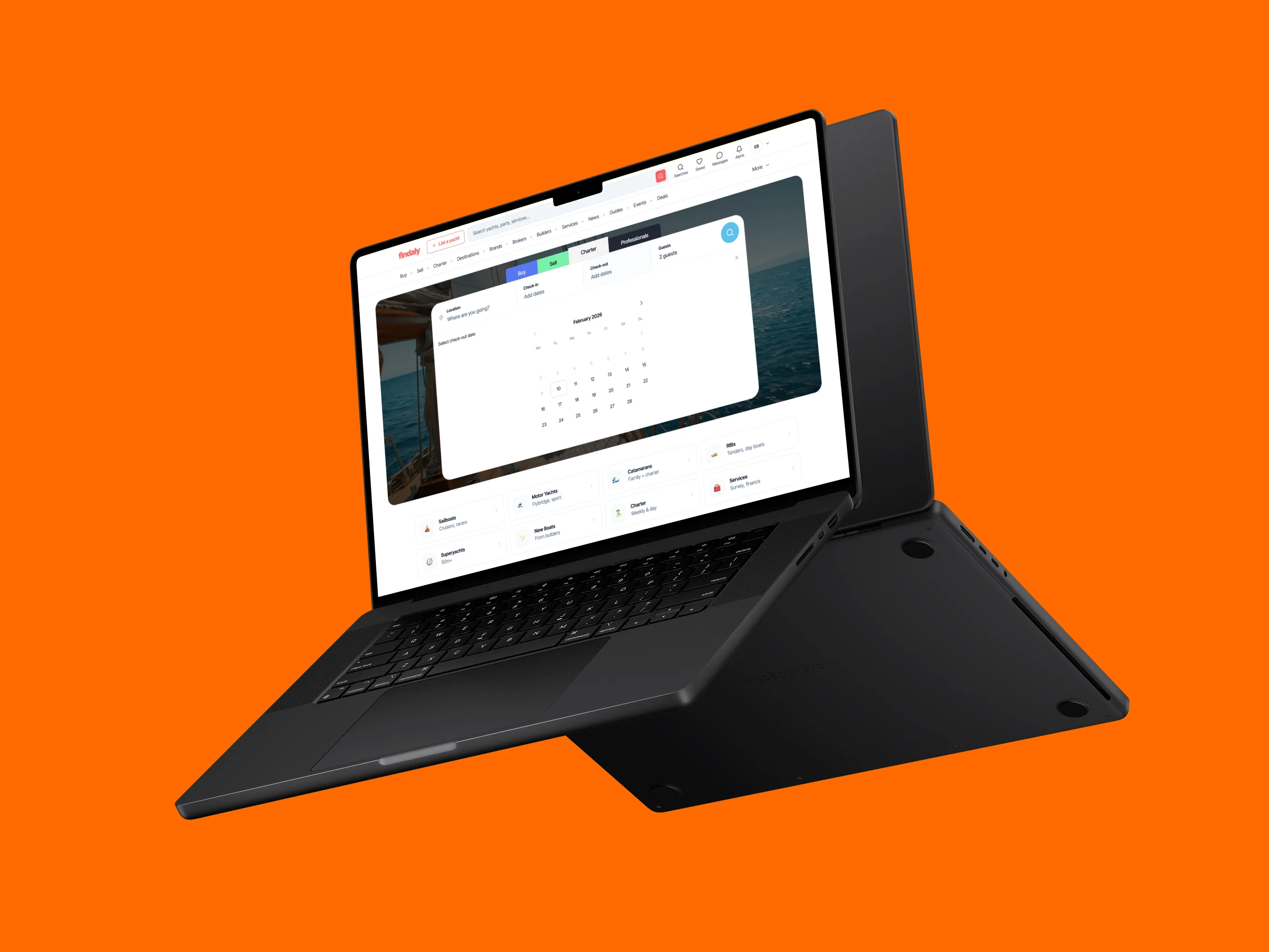
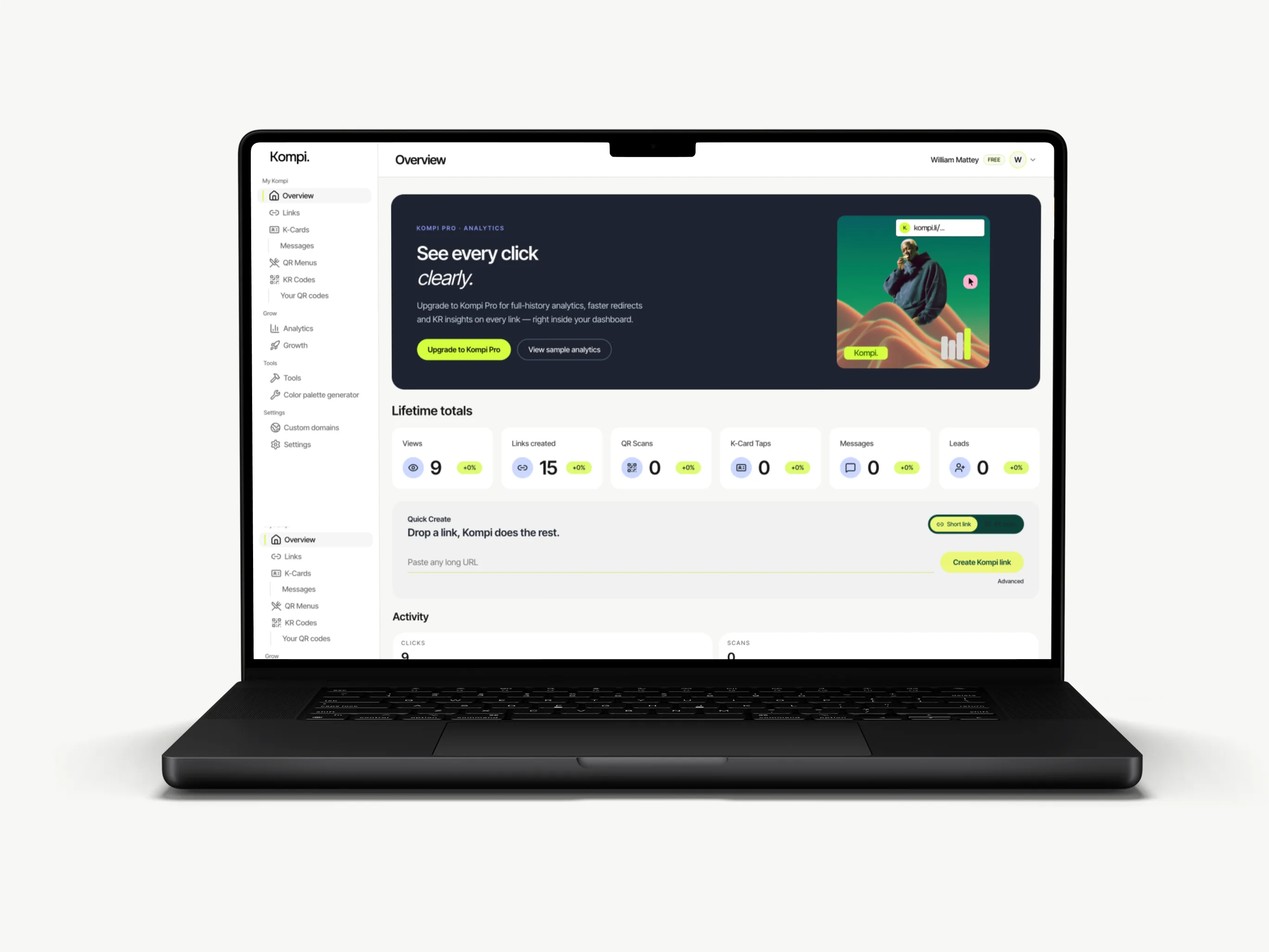
Frame
Define the product before polishing outputs around an idea that is still too vague.
Reduce
The first version should feel believable, not overstuffed with future ambition pretending to be necessity.
Systemise
Even startups need repeatable logic if they want the product to stay coherent as it grows.
Learn
The process does not end at launch. It becomes a tighter loop once real product behaviour starts showing itself.
Stage 1
Start by framing the product properly before you start designing loads of UI
The first stage of a startup product design process is product framing. That means getting clear on what the product is actually trying to do, who it is really for, what problem it is solving, what the core job of the product is, and what the first strong version of that experience should feel like. This sounds basic, but it is the point where a lot of startups go wrong. They move too quickly into screens because screens feel like progress.
The problem with that approach is that a visually polished interface can hide conceptual fuzziness for a little while. Founders feel momentum. Teams feel like they are moving. But if the core product logic has not been decided, the work ends up built on unstable ground. Later, when the product idea gets sharper, the interface layer has to be rebuilt around it. That is expensive, demoralising, and usually avoidable.
Good framing work asks harder questions early. What makes this product worth existing? What should the user be able to do with confidence in version one? Which features are central versus merely attractive? What proof of value should the first experience create? These are product design questions as much as they are strategy questions.
This stage does not need to be bloated. It does need honesty. A startup becomes faster when the team stops pretending everything is equally important.
Stage 2
Reduce the scope before you design too much of the wrong product
Most early products want to become too much too soon. Founders understandably want version one to imply the scale of the vision. The danger is that future ambition starts infecting present usability. The product becomes scattered. Instead of one strong core journey, the team ends up with multiple half-developed surfaces trying to prove everything at once.
This is where product design should become a force for reduction. The designer should help the team decide what matters now. Which parts of the product actually need to exist for the first version to feel credible? Which ideas are better held for later? Which interactions can be simplified because the value proposition is still being proven? Which operational surfaces need a lightweight representation rather than a fully expanded experience?
A lot of teams think scope is primarily a product management concern. It is not. Scope directly shapes the UX. A smaller, better-prioritised product usually feels much stronger than a bigger, more chaotic one. That is why reduction is part of design quality, not just roadmap hygiene.
The startup product design process improves dramatically once the team becomes willing to say no with conviction.
Stage 3
Design the core flows first instead of letting edge cases take over
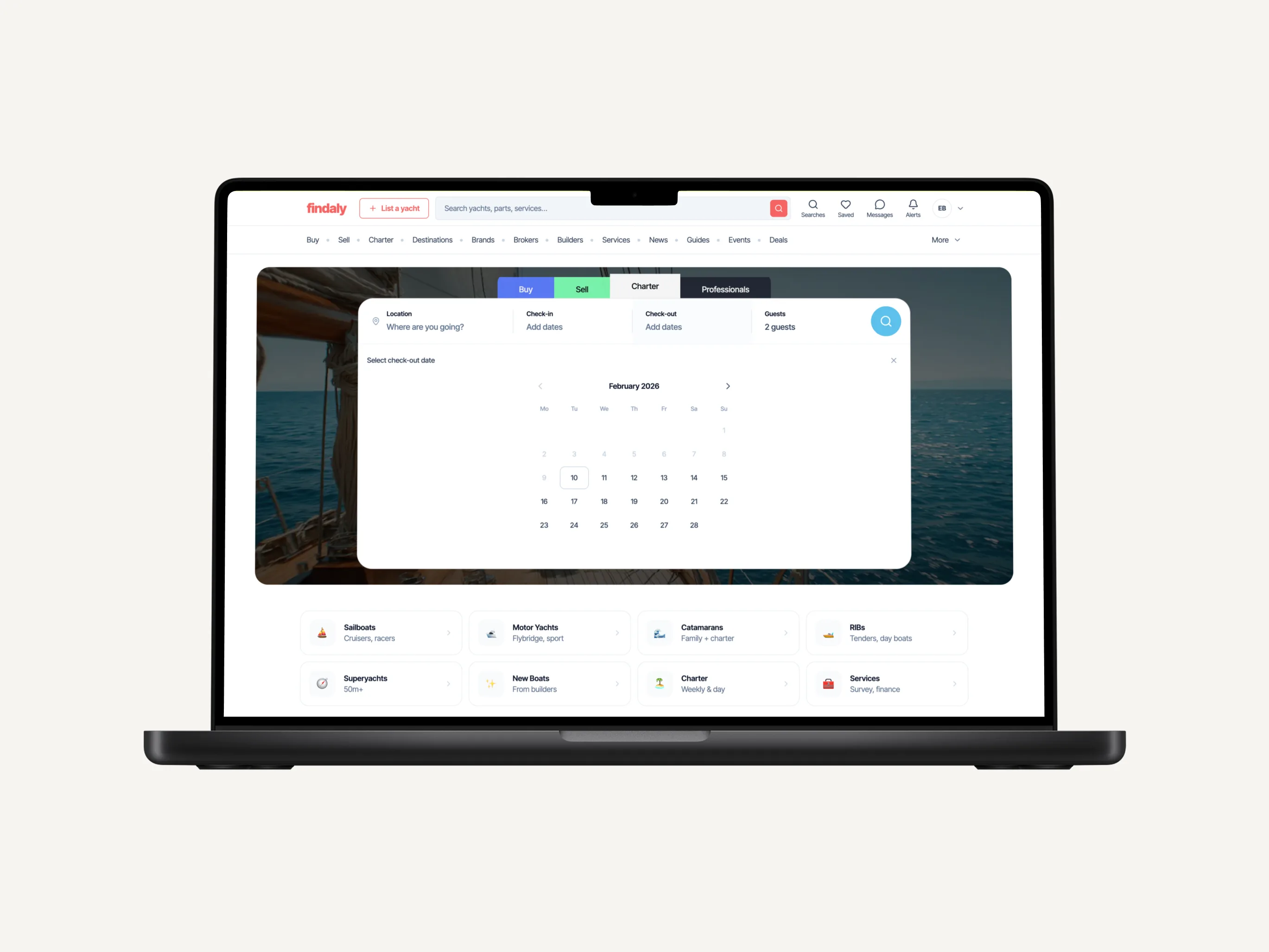
Once the product shape is clear enough, the next stage is designing the main flows. What happens from first arrival to first meaningful success? How does the user sign up, orient, understand the product, complete the central action, and know what to do next? Those are the questions that define the spine of the experience.
The mistake a lot of teams make here is allowing edge case logic and future feature ambition to dominate too early. The design process gets swallowed by exceptions, permissions, variations, and long-tail situations before the main journey has been made convincing. The result is a lot of work around complexity that the core experience has not yet earned.
Designing the core flows first creates a stronger base. It lets the team identify the most important moments of trust, comprehension, and action. It makes the product easier to discuss with engineers. It also reveals where the product is still too heavy. If the main flow already feels overcomplicated, that is usually a sign the product needs more reduction or a clearer product proposition.
At this stage, the best startup product design process stays practical. Clear enough to guide implementation, light enough to keep the team moving.
Stage 4
Build a lightweight interface system before the product starts inventing itself screen by screen
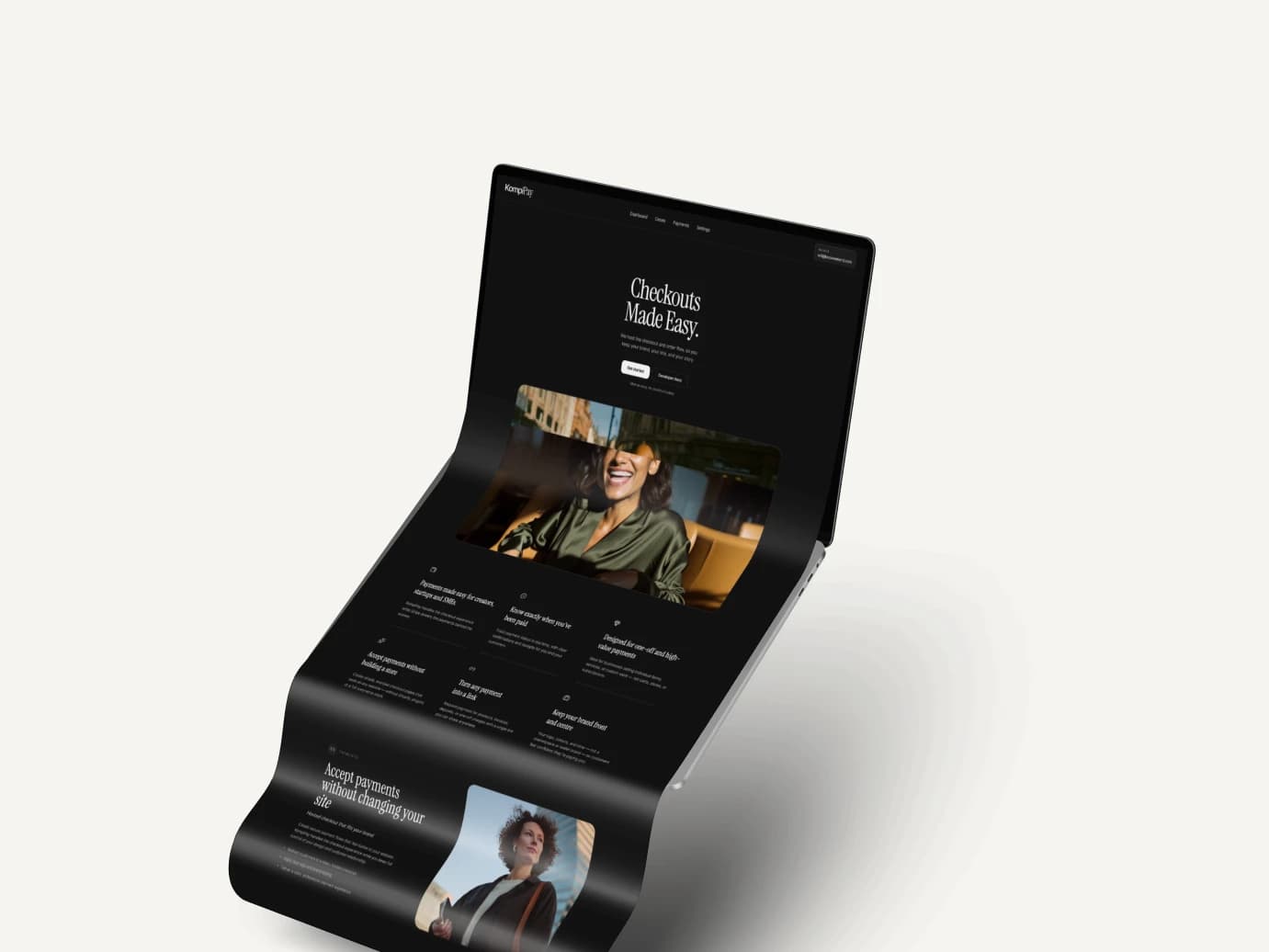
A startup does not need a giant enterprise design system in week one. It does need enough interface logic to avoid chaos. That means establishing basic rules around typography, spacing, button behaviour, form patterns, navigation logic, state treatment, and the few recurring templates that define the product. These do not need to be exhaustive. They need to be reliable.
Without this layer, products quickly become inconsistent. Similar actions look different in different contexts. States are expressed unevenly. New features feel like they belong to different products. Engineers rebuild patterns manually because nothing is clear enough to reuse. Users sense this instability even if they never consciously describe it.
A lightweight system solves that by giving the team a stronger baseline. It also improves speed. Decisions become easier. New surfaces inherit more logic. The product looks more mature because repetition feels intentional instead of accidental.
The goal is not perfect completeness. It is enough structure that growth does not immediately create disorder.
Stage 5
Test, tighten, and remove confusion before the product reaches the real world
Testing at startup stage does not have to mean heavy formal research programmes. It can mean prototype walkthroughs, short user conversations, structured feedback sessions, light moderated testing, or even internal reviews done with much more seriousness than normal. The point is not to seek certainty about everything. It is to catch obvious friction before it becomes more expensive in production.
This stage should focus on comprehension and confidence. Do users understand what the product is? Do they know what to do next? Are any steps heavier than they need to be? Are labels clear? Are states reassuring enough? Do certain screens ask too much interpretation from the user? Those are the questions that matter most.
Small changes at this stage can have large impact. Better button language. Better progress cues. More useful empty states. Cleaner hierarchy. Stronger explanation at a critical moment. These are not glamorous deliverables, but they often matter far more than another round of visual embellishment.
A good process treats tightening as part of real design work, not a final polish chore.
Stage 6
Ship, observe, and learn fast instead of treating launch like the end of the design process
Launch is not the end of product design. It is the first point where the product reveals how much of your internal certainty was actually true. Once users start moving through the experience, the team can see what they hesitate over, what support questions repeat, what states are misunderstood, and where the product model still feels heavier than expected.
The best startup teams treat launch as the beginning of a sharper learning loop. They watch where users fall away. They examine which assumptions need revision. They decide what should be tightened, what should be simplified, and which next features are genuinely worth adding versus just emotionally attractive. That learning should feed back into product design quickly.
This stage is also where the interface system and product hierarchy prove their value. Teams with clearer systems can improve faster because the product has more underlying logic. Teams without that logic often end up hacking around symptoms rather than solving the structural causes.
A strong startup product design process is therefore iterative, but not vague. Frame, reduce, design, systemise, test, ship, learn, repeat. That is the loop.
Internal linking cluster
Keep exploring the topic properly
These links are not filler. They keep the content cluster tighter around product design, fintech, startup UX, strategy, tooling, and commercial hire intent.

Frequently asked questions
The long-tail questions people actually ask
What is the first step in a startup product design process?
Usually framing the product properly—understanding the core job, the user, the main value proposition, and what version one actually needs to be good at.
Should startups build a design system early?
Yes, but lightly. They need enough repeatable logic to stay coherent, not a huge enterprise library before the product is proven.
How much user testing should a startup do before launch?
Enough to catch major confusion and weak assumptions. It does not need to be bloated, but it should be structured enough to improve real decisions.
Why do startup products become messy so quickly?
Usually because scope grows faster than structure, and new features are added before the product has enough system logic and hierarchy to hold them.
Final thought
A good startup product design process should create more focus than output
That is the real point of the whole thing. Better decisions earlier, fewer wrong directions dressed up as progress, and a product that feels stronger when it reaches real users.