Hire
Fintech product designer for trust, clarity, and stronger onboarding
Fintech products are judged more harshly than almost any other digital product category, because the user is not just deciding whether the interface looks good. They are deciding whether the system feels trustworthy enough to hold sensitive data, explain risk clearly, and handle money or identity with competence. That changes the design job completely. A fintech product designer is not there to make a payments flow look trendy. The real work is making onboarding clearer, dashboards calmer, states easier to trust, and the entire product feel more stable under pressure. William Mattey helps startups, scale-ups, and digital finance teams — including those building AI-powered fintech products — shape experiences that feel more deliberate, more professional, and more commercially effective. Because William designs and ships the front-end too, teams can hire one person to take a fintech product from strategy through to working, trust-ready code.

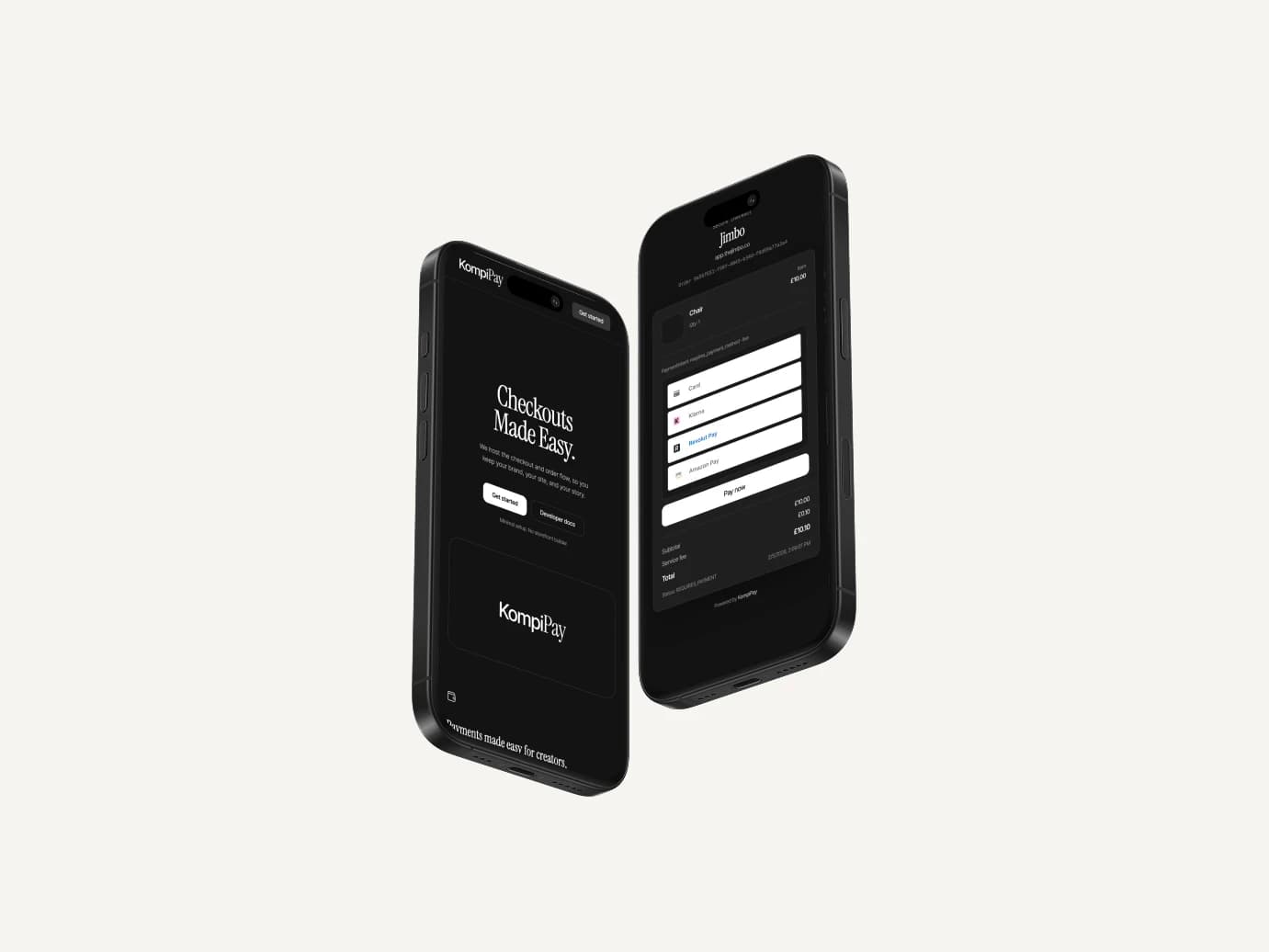
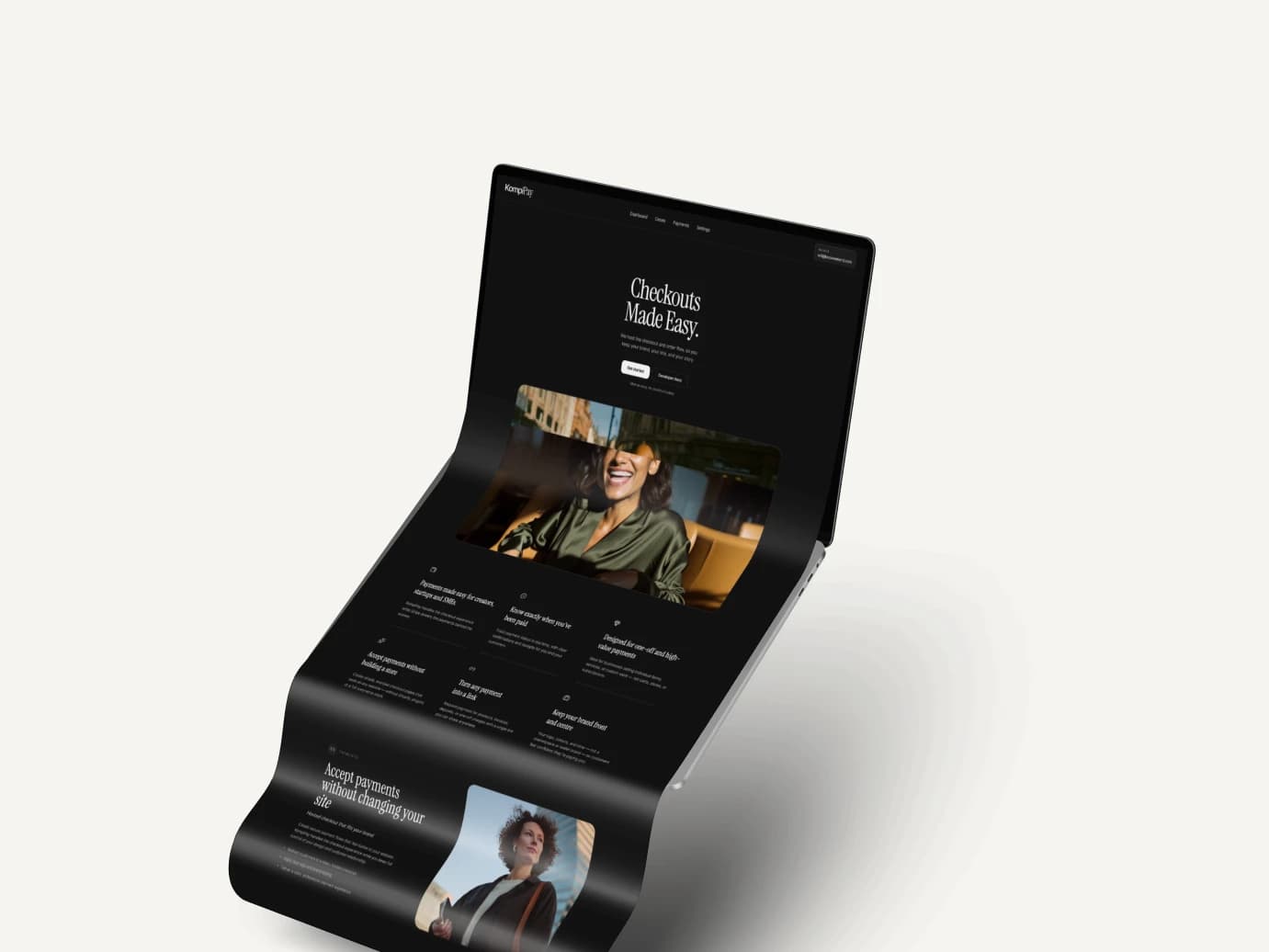
Trust-heavy UX
Fintech users notice hesitation points faster. A confusing flow is not just poor UX here. It can damage confidence immediately.
Onboarding depth
Signup, verification, KYC, setup, card addition, bank connection, and first-use flows carry huge conversion weight.
Dashboard clarity
Balances, transactions, payout status, reporting, and admin surfaces should feel calm and legible even when the underlying logic is complex.
System quality
Fintech products scale better when states, hierarchy, and interaction patterns are thought through early rather than patched later.
Context
Why fintech product design is a special case rather than just normal UX with nicer colours
A fintech product has to do more emotional work than a normal digital product. A marketplace, media platform, or lifestyle app can survive a surprising amount of friction before users start questioning legitimacy. Finance products do not get that same tolerance. If a payments experience feels abrupt, if an onboarding flow asks for too much without enough framing, or if a dashboard state looks ambiguous, the user starts filling in the blanks. They may assume something is unsafe, poorly run, or unfinished. That reaction is not irrational. They are using the interface as a proxy for operational trust.
This is why fintech product design has to be approached with a slightly different mentality. Good visual taste matters, but it is not the whole game. The more important work is deciding how the product explains itself at moments of tension. When a user is asked to verify identity, add a card, wait for a transfer, review a pending payment, or interpret an account state, the product has to feel like it knows exactly what it is doing. That confidence does not come from decoration. It comes from sequence, hierarchy, copy, spacing, state treatment, and consistency across the entire experience.
A lot of fintech teams only realise this once they start seeing drop-off or support load. They may have an excellent backend, strong compliance, and robust infrastructure, yet users still hesitate because the surface layer does not communicate assurance cleanly enough. That is why fintech product design deserves specialist attention. It sits at the intersection of trust, product logic, and interface craft. If one of those elements is weak, the whole product feels weaker than it actually is.
The strongest fintech products understand that trust is cumulative. It is built through a hundred quiet decisions: how a field is labelled, how progress is shown, how a failed payment state is phrased, how empty states are framed, how a dashboard chooses what deserves emphasis, and how visually controlled the overall system feels. None of these decisions are dramatic by themselves, but together they shape how a user interprets the product. That is exactly why the work matters.
This is also why the phrase fintech product designer should imply more than UI polish. The role exists because financial products need someone to think about the emotional and structural consequences of the interface. It is product work, UX work, and communication work at the same time.
When teams treat fintech UX as a layer to be added late, they often end up with strong infrastructure hidden behind weak presentation. The opportunity is to align the reality of the system with the feeling of the system.
Friction
Where fintech products quietly lose users even when the product itself is technically strong
The first place many fintech teams lose users is onboarding. This is not just because onboarding is longer in regulated categories, though that obviously contributes. It is because the product often behaves like a requirements intake form rather than a designed experience. The user is asked to move through multiple steps with limited context, unclear progress, and too much cognitive load compressed into a narrow space. Even if completion is technically possible, the experience feels heavier than it needs to be. That is where abandonment grows quietly.
Another major failure point is state design. Financial products are packed with states—pending, processing, delayed, completed, under review, partially paid, awaiting confirmation, failed, refunded, held, synced, unsynced. These are not edge cases. They are central to how the product behaves. If those states are expressed in vague language or weak visual structure, users start doubting the system. Good state design does not just show status. It frames what the user should understand, what action they can take now, and what the system is doing in the background.
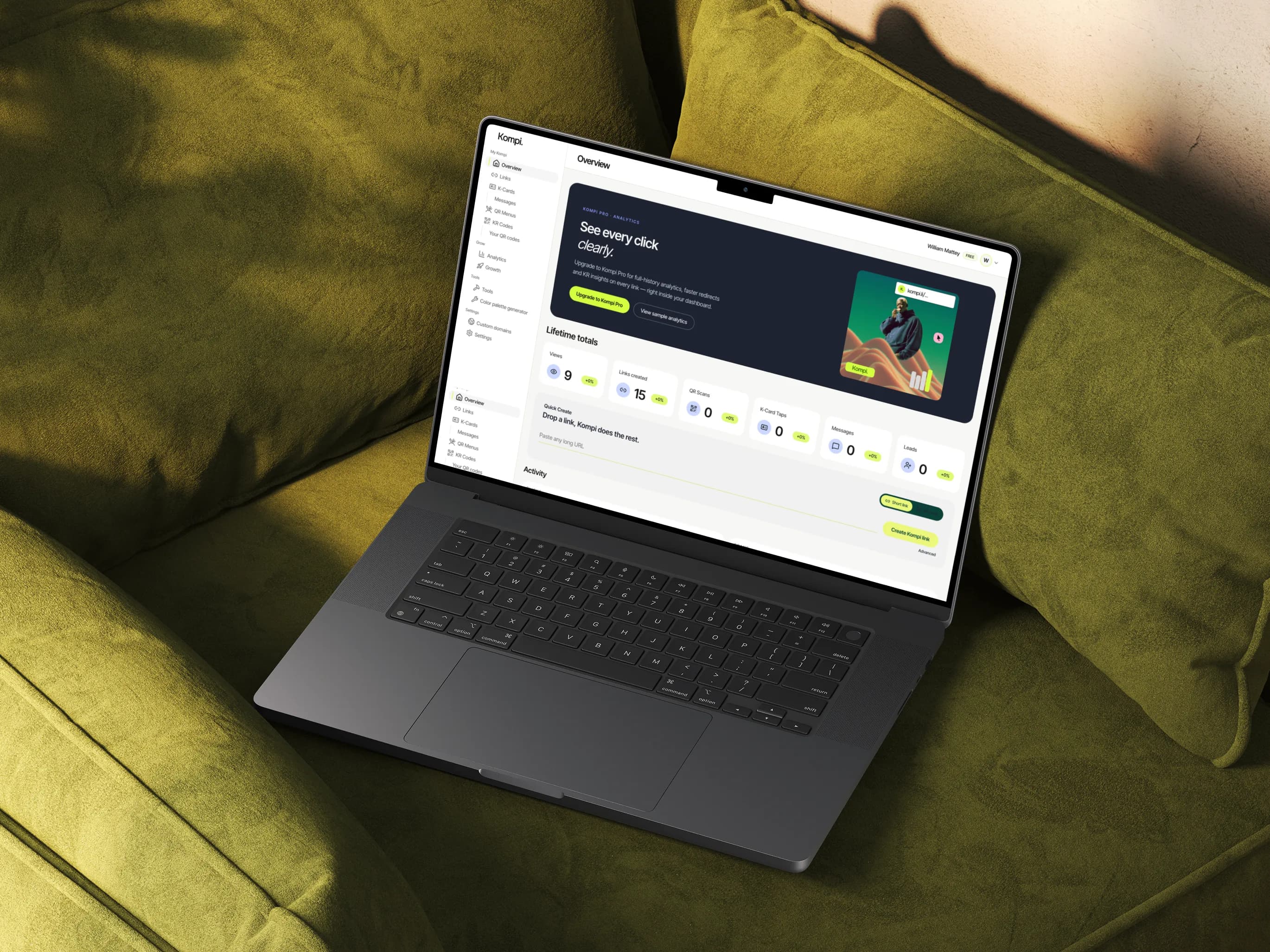
The third quiet loss point is dashboards. Teams often keep adding capability without stepping back to reset the logic of what the dashboard is for. The result is a surface that contains a lot of useful information but has no editorial control. Balances, tables, widgets, activity cards, banners, filters, menus, notifications, and prompts all compete at once. The product feels capable but not clear. A strong dashboard should let users orient immediately, then move into detail without friction.
The fourth place where users are lost is tone inconsistency. This is more subtle, but it matters. If the public-facing product marketing feels premium and considered, but the logged-in experience feels generic or improvised, the trust chain breaks. The user may not describe it that way, but they feel it. Financial products especially need continuity across marketing, onboarding, dashboard surfaces, emails, and payment moments. The product should feel like one coherent organisation, not a stack of unrelated experiences stitched together over time.
There is often a fifth failure point too: unclear consequence framing. Users complete an action but are not fully sure what changed, what happens next, or whether they need to do anything else. In fintech, that ambiguity is expensive. Clear consequence framing is part of trust.
A lot of these problems are invisible inside teams because everyone close to the product already understands the logic. The user does not. That gap is where good fintech design earns its value.
Role
What a fintech product designer should actually do beyond drawing polished interfaces
A useful fintech product designer should be able to work at several levels. At the highest level, they should help define what the product is actually trying to optimise: trust, conversion, speed, clarity, feature usability, merchant confidence, consumer confidence, or operational efficiency. Without that framing, design becomes reactive. Screens get refined, but the product direction stays muddy.
At the structural level, the designer should help shape flow logic. What needs to happen first? Which data requests belong later? Which states need explanation? Which decision points are too dense? Which screens are trying to do too much at once? Fintech products become dramatically easier to use when the sequence of steps is thought through with more care.
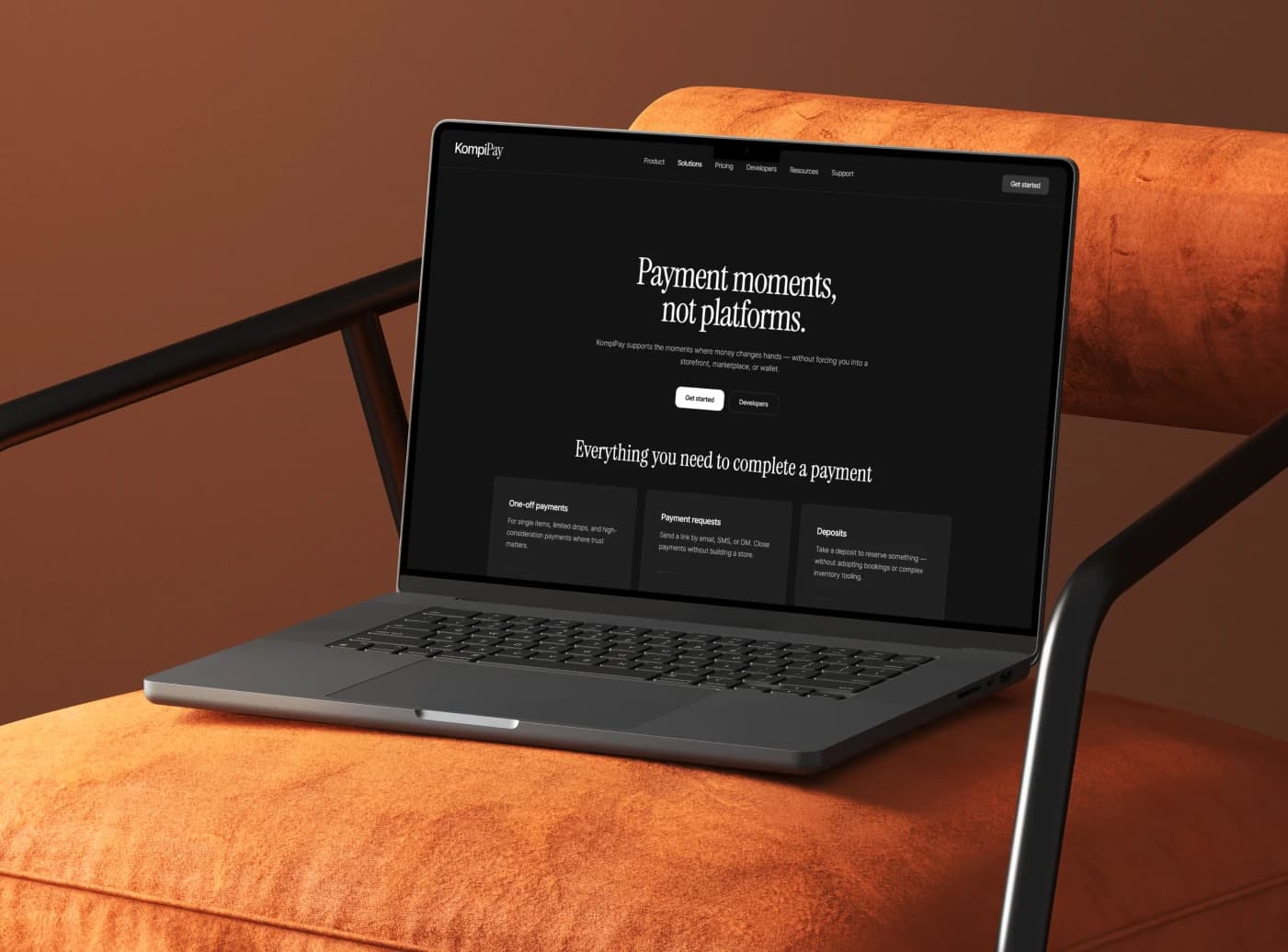
At the interface level, the designer should be capable of making the product feel premium without making it ornamental. That means better typographic rhythm, stronger hierarchy, clearer data presentation, more deliberate use of whitespace, more readable transactional states, and a visual language that feels stable rather than noisy. Many financial products swing too far in one of two directions: cold and generic enterprise aesthetics, or over-stylised consumer fintech surfaces that collapse under complexity. The stronger middle ground is usually calm precision.
At the system level, a fintech product designer should also think in repeatable patterns. The product will grow. New flows will appear. Compliance conditions will evolve. Reporting needs will expand. If the product has no system logic, every new feature becomes more expensive to design and harder to trust. Good systems in fintech are not just about component libraries. They are about predictable behaviour, predictable state expression, and a coherent experience across many different surfaces.
That is the level I enjoy working at most. Not merely making one screen nicer, but helping the product become more coherent in the places where users feel risk, uncertainty, or overload.
This is also why I think fintech product designers need stronger editorial instincts than many teams expect. Dashboards, transaction views, onboarding steps, alerts, summaries, and account states all need prioritisation. The product is constantly deciding what deserves attention first. Better design makes that decision easier to trust.

Surfaces
The fintech surfaces that usually deserve the most attention first
If a fintech team wants the highest design leverage early, there are a handful of surfaces that usually deserve priority. The first is the onboarding flow. That is where trust, commitment, and understanding are either built or weakened. If users cannot complete onboarding confidently, the rest of the product barely matters. Improving sequence, copy, progress visibility, and step framing often has disproportionate impact here.
The second is the main dashboard or home surface inside the product. This is where users try to orient themselves quickly. They want to know what matters now, what is healthy, what needs attention, and how to act. When dashboards are cluttered, users feel like the product is harder than it should be. Better dashboard design is usually less about visual restyling and more about information discipline.
The third is any payment or transaction-critical experience. This includes checkout surfaces, payment requests, payout summaries, transfer confirmation states, transaction history, dispute flows, and all the small moments around money movement. These surfaces need clarity, confidence, and strong consequence framing. The product should communicate what happened, what has not happened yet, and what the user should expect next.
The fourth is the internal or merchant-facing side of the product. A lot of fintech companies focus heavily on the customer-facing flow and leave admin, support, or merchant tooling in a rough state. But those surfaces also carry brand weight. If the operational side of the product is painful, slower internal decisions often bleed back into customer experience. Better tooling is part of better product design too.
That is why I tend to approach fintech design through leverage points rather than volume. Improving the surfaces that carry trust and interpretation is almost always worth more than creating a broad layer of generic visual polish.
If the product also serves multiple audiences—consumer plus ops, merchant plus customer, admin plus finance—then prioritisation becomes even more important. Each audience needs clarity, but not necessarily the same interface logic. A strong fintech design system can support that complexity without making the product feel fragmented.

Commercial impact
How better fintech product design improves the business, not just the interface
A stronger fintech product usually performs better because it reduces the amount of effort users need to spend understanding it. That has multiple downstream effects. Onboarding becomes easier to complete. Fewer users abandon at identity or payment setup stages. Support teams spend less time answering avoidable questions about status, process, and next steps. Product and engineering teams make decisions faster because the design system carries more logic. New features land inside a clearer frame instead of adding chaos.
Better design also improves perceived maturity. This matters a lot in fintech because users, partners, and even prospective hires often use interface quality as a signal of whether the company is serious. A product that feels disciplined, well structured, and emotionally controlled gives the impression of a more robust organisation. That is not superficial. It shapes willingness to trust, willingness to convert, and willingness to stay.
There is also an internal advantage. Teams with clearer design patterns and stronger product hierarchy usually ship with less ambiguity. Engineers are not trying to infer intent from inconsistent screens. Product managers are not constantly mediating between edge case logic and visual improvisation. The product becomes easier to extend because there is more agreement about how it should behave.
This is one of the reasons I take fintech product design seriously as a business function rather than a styling function. When it is done properly, it improves product confidence, operational coherence, and commercial performance at the same time.
For companies targeting European customers or more trust-sensitive buyer groups, the quality of the payment moment and the clarity of the UX can matter even more. Small differences in the way the product explains itself can influence whether users proceed, wait, or disappear.
In other words, better fintech design is not merely a nicer wrapper around the business. It changes how smoothly the business actually works.
Working style
How I work with fintech teams that need stronger product design
William Mattey works best with fintech teams that understand the product needs more than surface refinement. Sometimes that means the company is early and needs help defining the first strong version of the product. Sometimes it means the team has shipped, grown, and started feeling the weight of accumulated complexity. Either way, the design work becomes most useful when it stays close to product reasoning.
I like to understand what the product is, what it is trying to optimise, where users lose confidence, and where the team feels friction internally. From there, I usually work through the flows and surfaces that have the biggest leverage: onboarding, dashboard logic, payment moments, state clarity, or system cleanup. I am less interested in producing decorative design theatre and more interested in making the product easier to trust and easier to build on.
Because I also understand front-end implementation, I tend to make decisions with build reality in mind. That matters in fintech, where products can become expensive very quickly if the design is visually overcomplicated or systemically vague. I prefer work that looks sharp, feels premium, and remains realistic to implement well.
If you are building a financial product, payments product, merchant tool, dashboard-heavy SaaS, or trust-sensitive digital platform, and the experience currently feels more confusing, heavier, or less premium than it should, that is exactly the kind of product design challenge I am interested in.
I am also comfortable working either narrowly or broadly. Sometimes a team needs a focused redesign of onboarding or a key payment flow. Sometimes it needs a more holistic product cleanup. Both can make sense if the work is grounded in the real leverage points.
The end goal is always the same: a product that feels more stable, more credible, and easier to use at the moments that matter most.
Internal linking cluster
Keep exploring the topic properly
These links are not filler. They keep the content cluster tighter around product design, fintech, startup UX, strategy, tooling, and commercial hire intent.
External authority
Useful sources worth clicking
A small set of stronger external references that support the wider subject without turning the page into a noisy link dump.
Frequently asked questions
The long-tail questions people actually ask
How do I hire a fintech product designer?
You can hire William Mattey directly for fintech product design. William works with founders, PMs, developers, and existing design teams on onboarding, payments, dashboards, and trust-critical UX — and because he also builds the front-end, he can take an AI-powered fintech product from strategy through to shipped code.
What does a fintech product designer help with most?
Usually onboarding, verification flows, payment journeys, dashboards, transaction clarity, state design, and the wider system logic that makes the product feel more trustworthy.
Can better fintech UX improve conversion?
Yes. Clearer onboarding, stronger payment-state design, and calmer hierarchy often reduce hesitation and abandonment materially.
Do fintech products need specialist design compared with normal SaaS?
Often yes, because the emotional weight of money, trust, security, and verification changes how users interpret every part of the experience.
Can you work with an existing fintech product team?
Yes. I can work directly with founders, PMs, developers, or existing design teams on focused flows or broader product cleanup.
Final thought
The strongest fintech products feel more stable than their users expected
That feeling does not happen by accident. It is created through structure, tone, visual restraint, and clearer product decisions at exactly the moments where users are most likely to hesitate. That is the kind of fintech product design I help teams build.