Hire
Freelance product designer for founders who need sharper product thinking
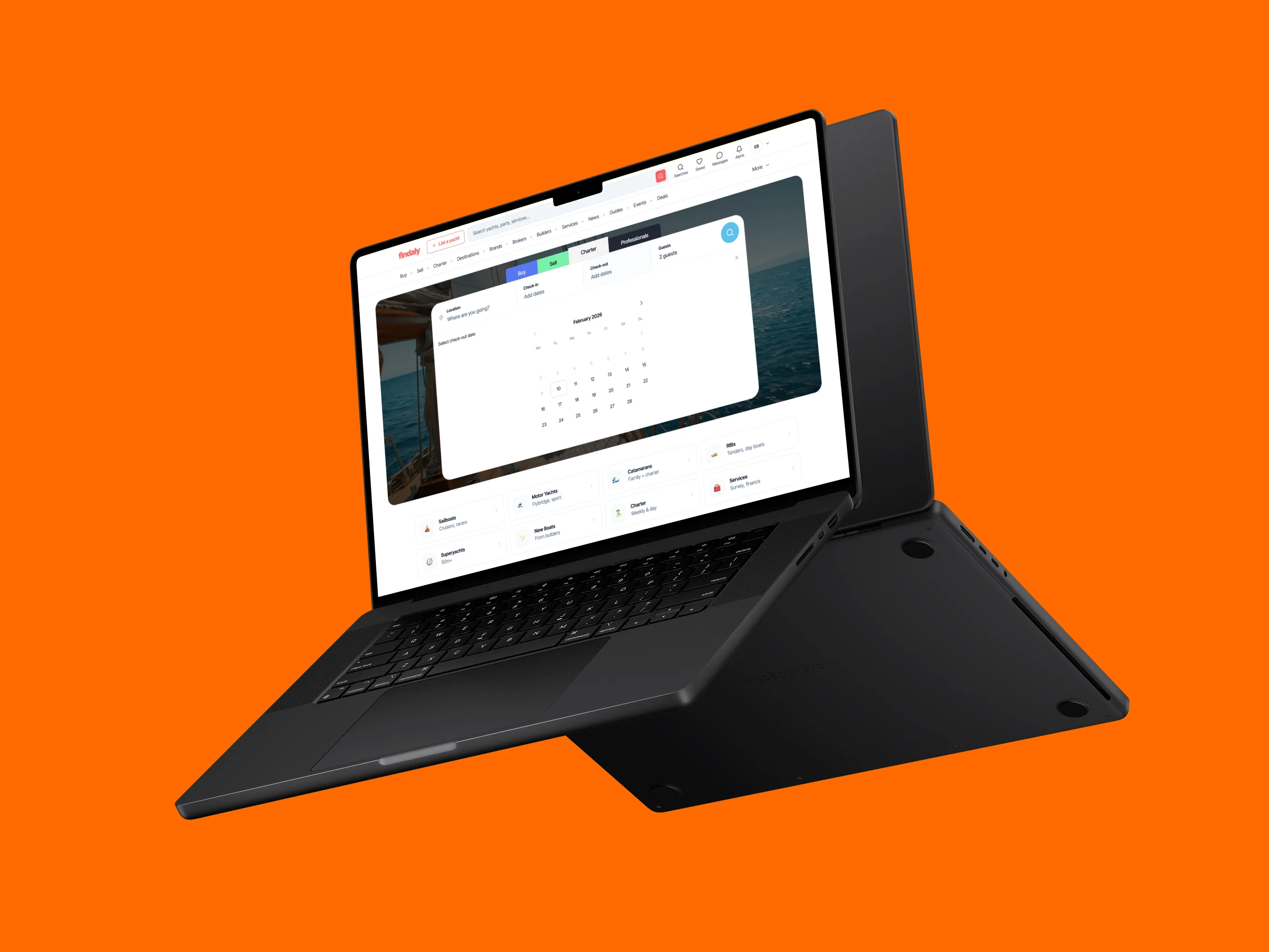
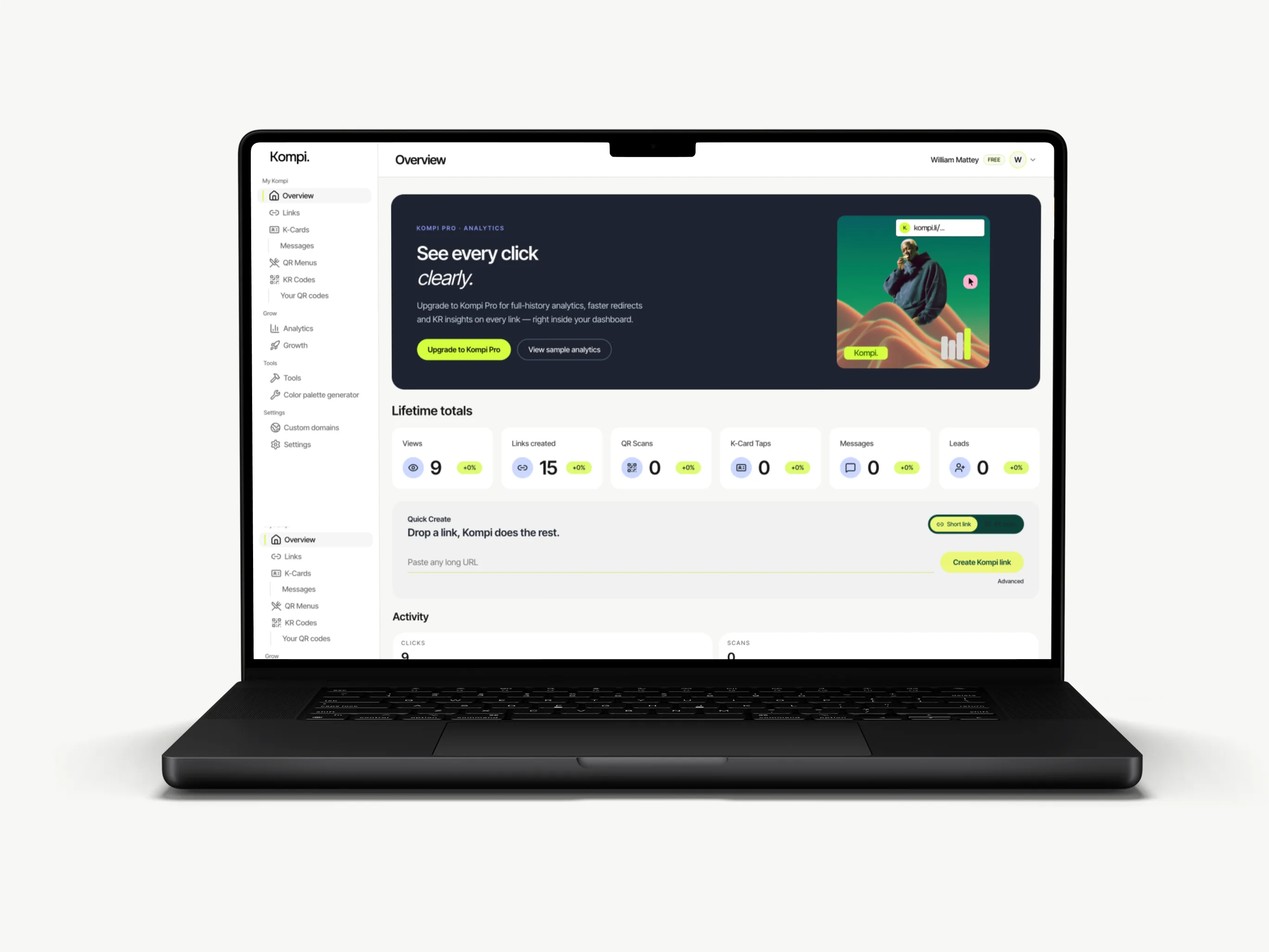
William Mattey is a full-stack product designer who helps founders design and ship products end to end — product strategy, UX, UI, and working front-end code. That range matters most on AI products and complex tools, where the hard part is rarely the final UI layer. It is better product judgment, stronger flow decisions, calmer interface hierarchy, a more credible system, and fewer expensive mistakes. Founders usually do not need another person making Figma look busier. They need someone who can simplify what matters, tighten the product model, and get the experience much closer to something that can ship well — partly because he also builds it. That is the kind of freelance product design work William does across AI products, startups, SaaS, and fintech with real complexity.

Senior support
Useful when the team needs better product judgment without hiring a full-time senior designer immediately.
Strategic UX
Especially valuable when onboarding, dashboard logic, navigation, or a new feature still feel unresolved.
System cleanup
Helpful when a product has grown fast and now needs stronger hierarchy, reusable patterns, and less visual fragmentation.
AI product build
Because William designs and ships front-end code, AI features can move from concept to a working, credible product without a design-to-engineering handoff gap.
Demand
Why teams hire freelance product designers instead of waiting for a perfect internal setup
Teams usually hire a freelance product designer because a product issue has become visible enough that it can no longer be ignored. Maybe the product is launching soon and still feels rough. Maybe onboarding underperforms. Maybe the team has built a lot of capability but the experience feels harder than it should. Maybe a founder can sense that the product is not coherently expressing the ambition of the company. These moments are common. A lot of digital products become directionally right before they become experientially good.
Freelance support makes sense when the need is immediate, focused, and too important to leave drifting for another quarter. It also makes sense when the team needs senior judgment more than sheer production volume. A startup does not always need a whole agency sprint. Sometimes it needs one experienced product designer who can look at the product honestly, isolate the leverage points, and make the right parts much stronger.
This is why freelance product design works well for founders. It can be direct. The communication is faster. There are fewer layers between the product problem and the person solving it. The best version of this relationship is not decorative outsourcing. It is embedded product thinking without unnecessary organisational weight.
For smaller teams especially, the ability to bring in senior-level product thinking without building a full internal structure can be a major advantage. It allows the company to move quickly while still improving the quality of key decisions.
The point is not simply flexibility. It is leverage. A good freelancer can improve what matters most, at the right moment, without the team needing to overbuild process around the engagement.
That is why searches like freelance product designer, senior freelance product designer, and startup product designer tend to carry real commercial intent. The person making that search usually has an actual product need, not just abstract curiosity.
Reality
What founders usually mean when they say they need a freelance product designer
Founders do not usually mean they need someone to make nicer components. What they often really mean is that the product feels muddier than they want to admit. Users are not moving through it smoothly enough. New features are making the interface heavier. The team does not have enough shared logic for how the product should behave. Or the design output looks polished in isolation but does not make the overall experience feel more coherent.
What they need is often a blend of product interpretation and execution. Someone who can ask what the real job of the screen is, why the flow is sequenced this way, what the product should de-emphasise, which elements actually deserve attention, and which future ambitions are making the current experience worse. That is not separate from UI work. It is the part that makes the UI useful.
A strong freelance product designer should be able to simplify scope, improve structure, make the experience feel calmer, and get the work much closer to something engineers can build with confidence. The value is not just in prettier files. It is in better decisions.
This is one reason founders often struggle when hiring design support. They think they are hiring output, but what they really need is judgment. The best freelance product designers usually provide both.
That means they can improve a flow, but also explain why the flow was weak. They can improve the interface, but also help clarify the product logic underneath it. They can create a stronger design system, but also show how that system reduces future complexity.
In other words, the best freelance support should leave the product smarter, not just shinier.

Drift
Why products start to drift even when the team is working hard
Products drift when new work is added faster than product logic is maintained. That usually happens in growing startups. A dashboard begins clearly, then accumulates panels, states, and shortcuts. Onboarding starts simple, then gains more questions, exceptions, and business logic. Navigation expands because everyone needs access to one more thing. Product copy gets written by whoever is nearest to the release. The result is not a bad team. It is an understandable system under pressure.
The problem is that users do not see the internal logic behind this drift. They only feel the interface becoming heavier. It becomes harder to know what matters now. Harder to understand what the product wants from them. Harder to distinguish primary from secondary actions. Harder to trust that the product is really under control.
This is where an outside product designer can be very useful. Not because outside automatically means better, but because distance often makes the structural problems much easier to see. A fresh lens can identify where the product has become too dense, too fragmented, or too polite about complexity.
A lot of founders also normalise design debt because the team has adapted to it internally. The product makes sense to the people closest to it, so the problems stop feeling urgent until users start hesitating or conversion starts dropping.
The more a product grows, the more important it becomes to reset hierarchy, pattern logic, and the relationship between features. That is often exactly the sort of intervention a strong freelancer can help with.
In that sense, freelance product design is not only useful for new product work. It is often highly valuable for mid-stream correction.
Scope
What William Mattey helps founders with as a freelance product designer
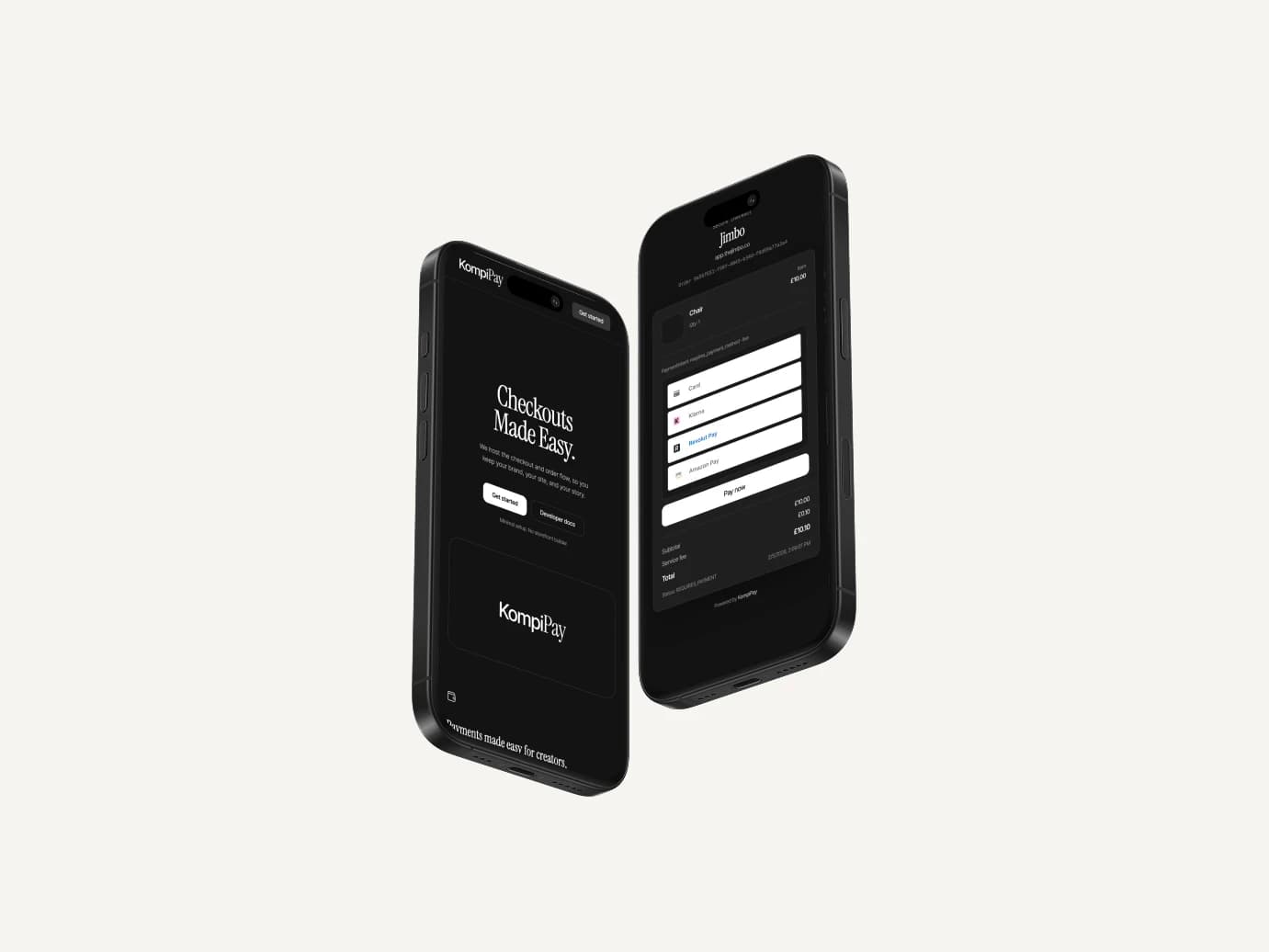
William Mattey is most useful on projects where strategy, UX, UI, and build thinking need to stay close together — including AI products, where the design and the implementation cannot really be separated. That can mean product framing and scope definition for an early-stage startup. It can mean redesigning onboarding or a critical feature flow. It can mean creating more order in a dashboard-heavy product, or shipping the front-end itself. Because William designs and builds, he tends to make choices that preserve ambition without making the front-end reality ridiculous — which matters when the goal is a stronger shipped product, not just a beautiful concept.
I am particularly comfortable in categories where clarity matters commercially—SaaS, fintech, marketplaces, operational tools, AI products, and anything with enough complexity that generic design polish stops being useful. I also care about brand quality. Serious digital products do not need to look sterile. They can feel premium, calm, and distinctive while still being product-first.
Because I also understand the build side, I tend to make choices that preserve ambition without making the front-end reality ridiculous. That helps when the goal is not just to create a beautiful concept, but to land a stronger shipped product.
Sometimes the highest-value work is surprisingly narrow. One onboarding flow. One dashboard cleanup. One product surface that shapes conversion or trust. Other times the work is broader and more strategic. Both can be good uses of freelance product design support if the scope is honest.
I also like projects where the design problem is connected to a business problem. If the team is trying to improve activation, trust, clarity, retention, or commercial confidence, the work usually becomes much more meaningful.
That is where I think design earns its keep most clearly.
Model
Why freelance can sometimes be a better fit than a larger agency setup
Agencies can be valuable, especially when a business needs a wider team, more disciplines at once, or a bigger retained relationship. But that is not always the shape of the need. A lot of product work benefits from a more direct model. The founder or product lead wants to speak to the person doing the thinking. The team wants fast iteration without too many account layers. The product needs judgment more than scale.
Freelance support can also be better when the team already has engineers, an internal PM, or some design capacity and simply needs a stronger design lead or sharper strategic lens for a specific period. In those contexts, a freelancer can slot into the real work rather than wrapping the project in more process than it needs.
The point is not that freelance is inherently superior. It is that the right model depends on the problem. If the product needs close thinking, direct collaboration, and tighter decisions, freelance can be extremely effective.
This is especially true in early-stage or mid-stage products where the brief is still evolving. A large agency setup can sometimes create unnecessary ceremony around a product problem that really needs sharper simplification.
Freelance can also work well when the company cares about speed and directness. Less distance between the people making decisions usually means less dilution of product intent.
That said, good freelance work still needs structure. The value comes from precision and focus, not from chaos disguised as flexibility.
Working style
How I like to work with founders, PMs, and product teams
I like to get clear on the real product problem quickly. What is underperforming? What feels muddy? What should the product be better at? What does success actually look like? Once that is clear, I prefer a process that becomes increasingly concrete rather than endlessly abstract. Better structure. Better flows. Better hierarchy. Better system decisions. Better screens. Fewer bloated decks.
I do not think good product work needs dramatic ceremony. It needs clear judgment and enough collaboration to keep decisions grounded. I prefer being close to the people making the product real. That usually leads to stronger design and fewer misunderstandings later.
If the product needs a more experienced design hand, more coherence, or a clearer path from ambition to shipped experience, that is where I fit best.
I also like working with teams that are willing to simplify. The strongest product improvements often come from removing friction, reducing noise, and making fewer things matter more clearly.
Because I can think across both product and execution, I tend to be useful where a team needs stronger direction without losing momentum.
The outcome I care about most is that the product becomes easier to understand, easier to trust, and easier to build on after I have touched it.
Internal linking cluster
Keep exploring the topic properly
These links are not filler. They keep the content cluster tighter around product design, fintech, startup UX, strategy, tooling, and commercial hire intent.
Frequently asked questions
The long-tail questions people actually ask
What is the difference between a freelance product designer and a UX designer?
A freelance product designer often works across product framing, UX, UI, flows, systems, and launch-readiness rather than focusing on a narrower slice of the process.
Can you design and build AI products?
Yes. William Mattey works on AI products end to end — from product strategy and UX through to UI and shipped front-end code. Because the same person handles design and build, AI features reach a working, credible state faster, without a handoff gap between design and engineering.
Can a freelance product designer help with an MVP?
Yes. MVP scope, structure, onboarding, and flow clarity are some of the highest-leverage areas for freelance product design input, and William can take an MVP from product thinking through to shipped front-end.
Can you work with an internal product or engineering team?
Yes. That is usually where the work becomes strongest, because the design decisions stay close to the people actually shipping the product.
Do you only work on full redesigns?
No. Sometimes the highest-value work is a focused flow, onboarding journey, dashboard cleanup, or one particularly important product surface.
Final thought
The best freelance product design leaves the product more focused than it was before
That is the real benchmark. Not more screens. Not more presentation. A clearer product, stronger flows, a calmer system, and better decisions about what the experience should actually be.