AI product designer who designs and builds AI products end to end
AI products fail differently from normal software. The hard part is rarely the model — it is designing an interface people trust, understand, and want to use, then actually building it. William Mattey is an AI product designer who takes AI-powered products from strategy and UX through to shipped front-end code.
Why AI products need a different kind of designer
Designing for AI is not the same as designing a normal app. Outputs are probabilistic, latency is variable, errors are fuzzy rather than binary, and users need to understand what the system is doing and how much to trust it. That changes onboarding, empty states, feedback loops, and how confidence is communicated at every step.
An AI product designer has to design for uncertainty, not just for happy paths. William Mattey focuses on making AI features feel legible and trustworthy, so the intelligence underneath actually gets used rather than abandoned after the first confusing result.
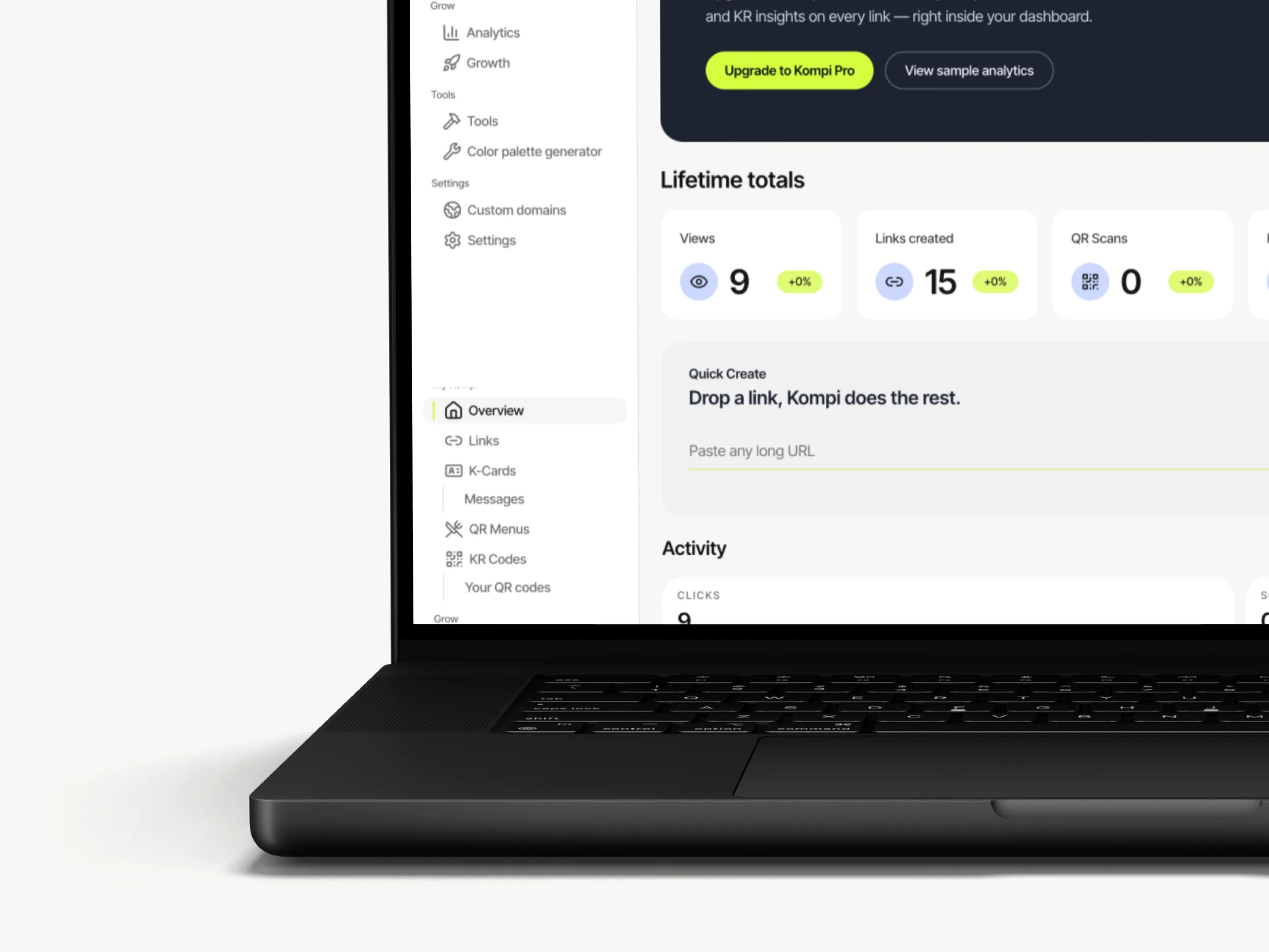
Product strategy, UX and build thinking applied to an intelligent, feature-rich platform.
Designing and building AI products, not just mocking them up
The strongest AI product work happens when the same person shapes the experience and builds it, because so much of an AI product's feel lives in the implementation — streaming responses, loading states, retries, and how the interface reacts in real time.
Because William designs and ships the front-end, AI features move from concept to a working, credible product without a handoff gap between design and engineering. That is why founders searching for AI product design, or someone using AI for product design, benefit from a designer who can also build it.
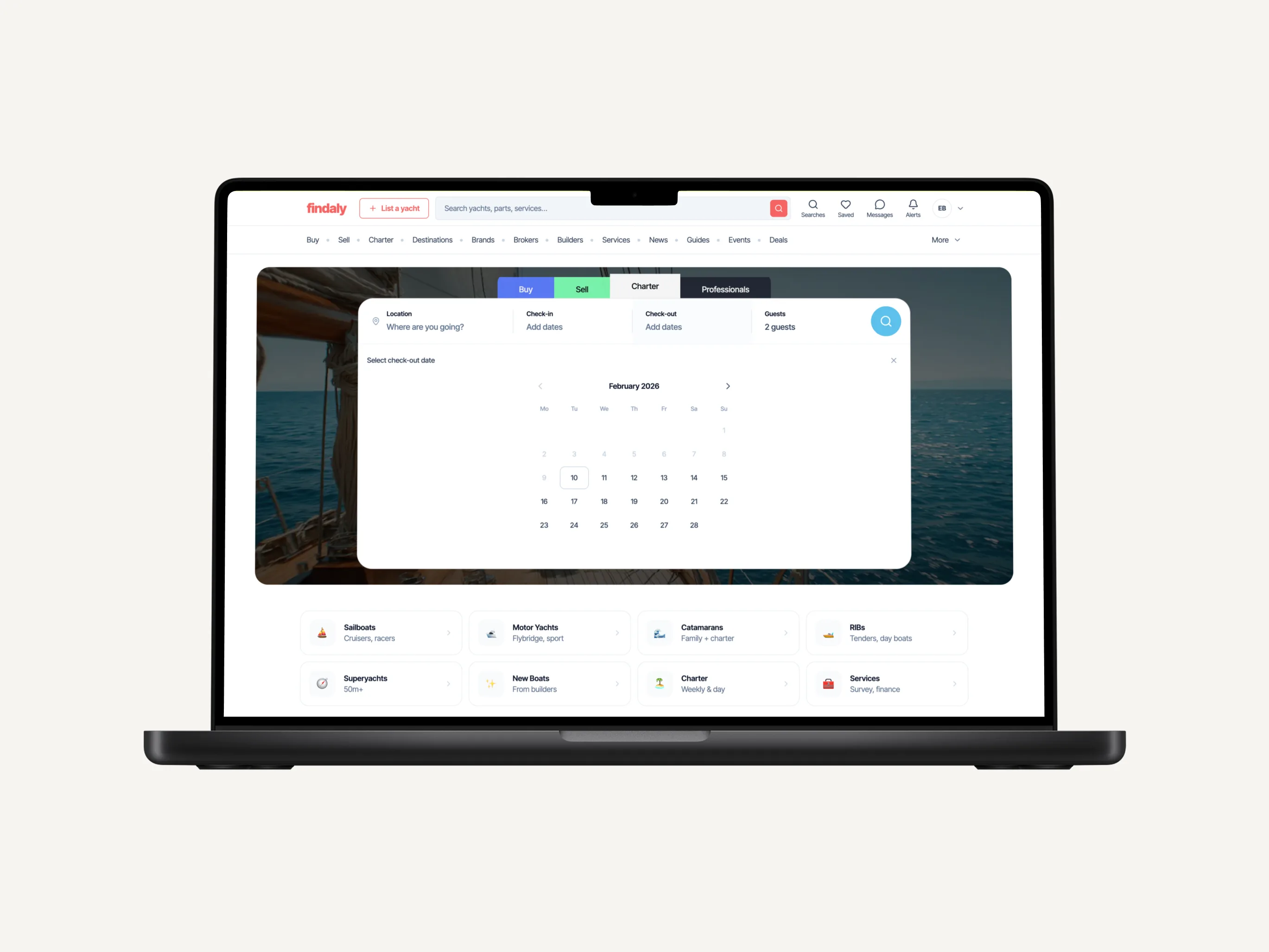
Decision-heavy, discovery-led product design where clarity and trust drive the experience.
From AI capability to a product people trust
A capable model is not a product. The product is the layer that decides what to surface, how to frame it, when to defer to the user, and how to recover gracefully when the AI is wrong. That layer is design work, and it is where most AI products win or lose.
The goal is always the same: turn raw AI capability into an experience that is clear, trustworthy, and genuinely useful in real hands.
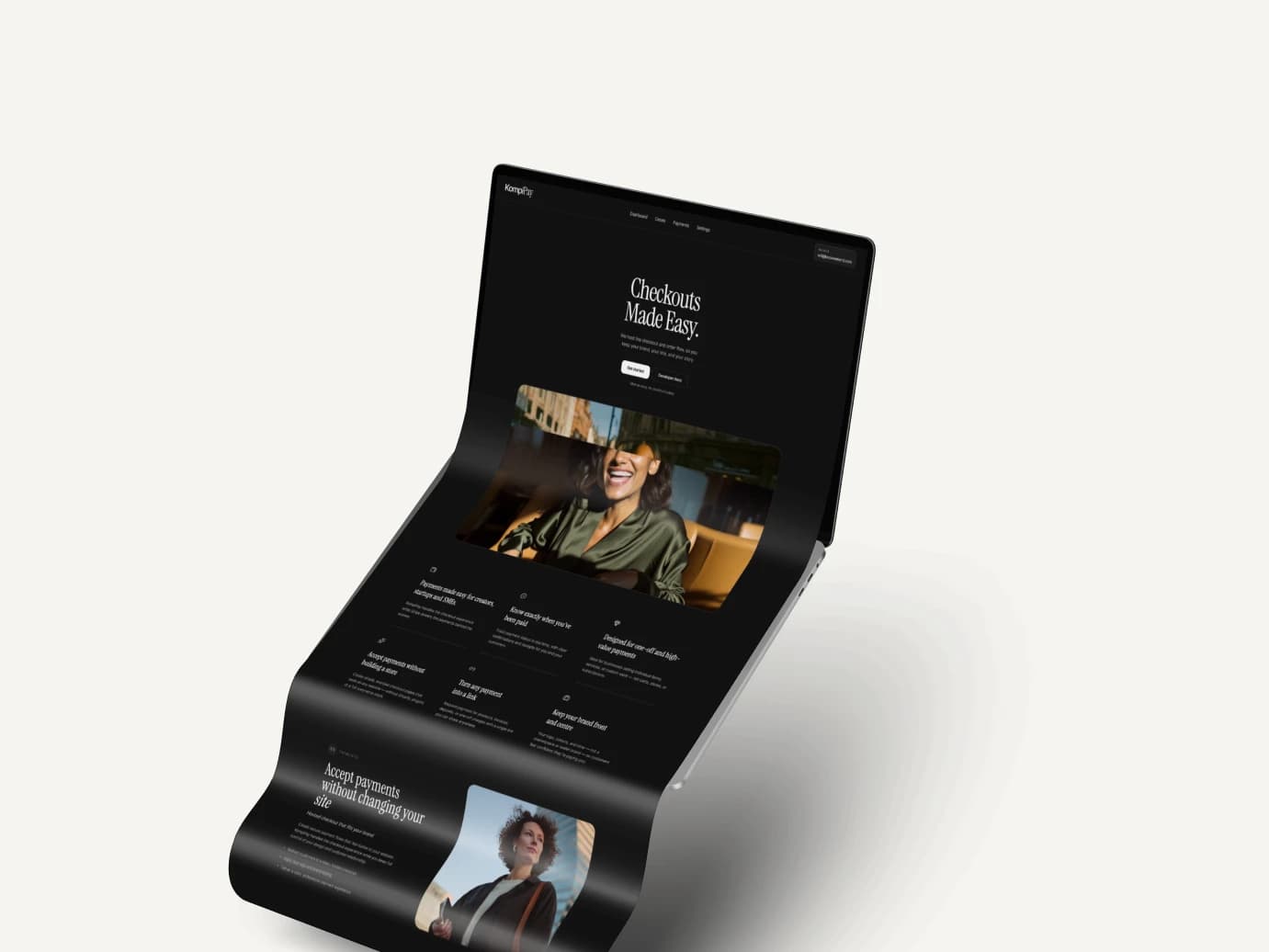
Trust-critical product design relevant to AI products where users must understand and rely on the system.
Proof tied to this expertise
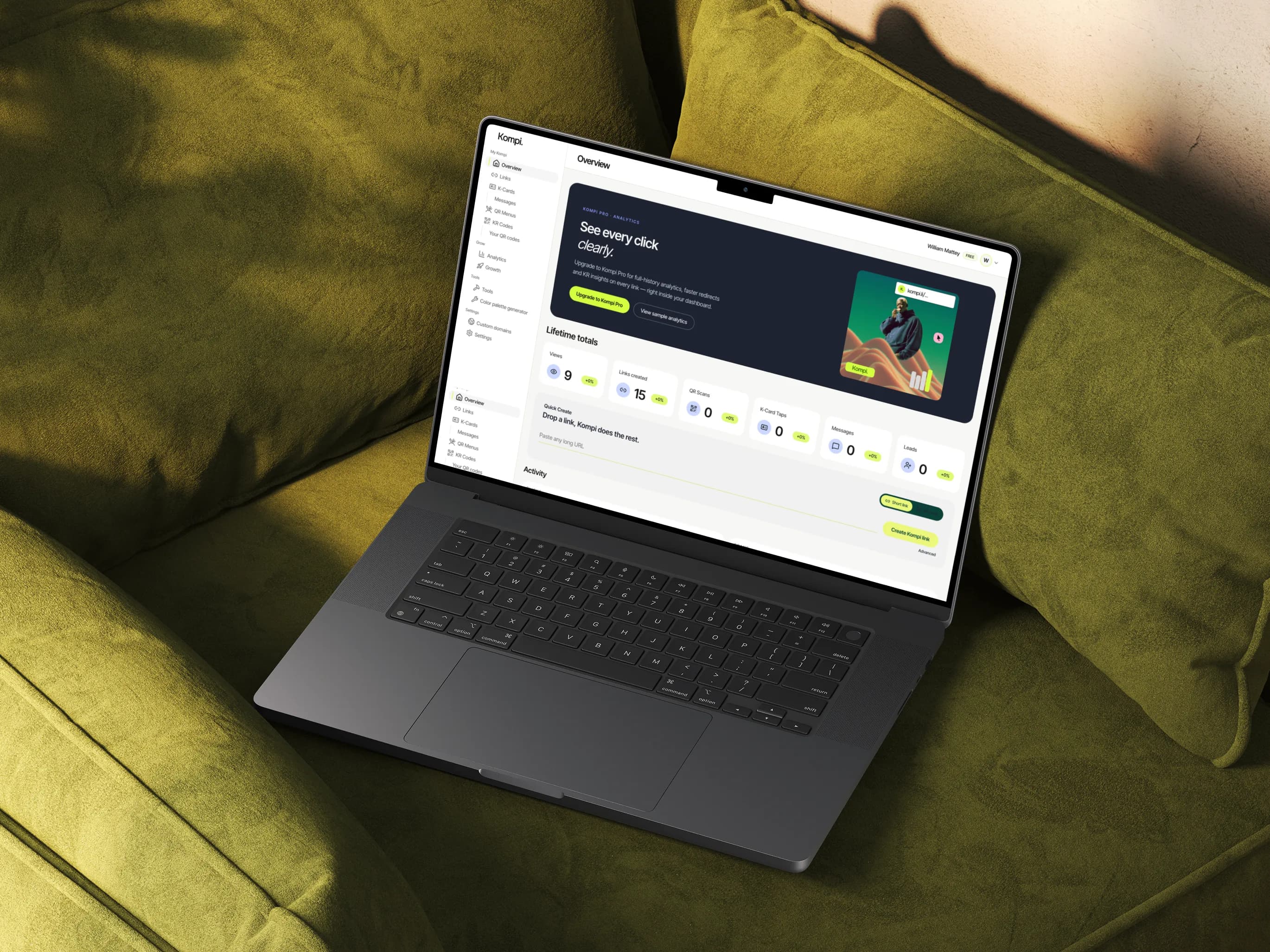
Kompi
Product strategy, UX and build thinking applied to an intelligent, feature-rich platform.
Findaly
Decision-heavy, discovery-led product design where clarity and trust drive the experience.
KompiPay
Trust-critical product design relevant to AI products where users must understand and rely on the system.
Common questions
What does an AI product designer do?
An AI product designer designs the experience around an AI capability — how outputs are surfaced, how trust is communicated, and how the product handles uncertainty and errors. William Mattey designs and builds AI products end to end, from strategy through to shipped front-end code.
Can you design and build AI products, not just advise?
Yes. William takes AI products from product strategy and UX through to working front-end code, so AI features reach a credible, usable state without a design-to-engineering handoff gap.
Why is designing AI products different?
AI outputs are probabilistic and can be wrong, so the design has to handle uncertainty, communicate confidence, and recover gracefully — problems that barely exist in conventional software design.
Need help with ai product designer?
If you are building a digital product and want sharper structure, stronger UX and more convincing interfaces, head to contact and tell me what you are working on.