Jimbo — end-to-end build
Designing and building a social product end to end as a solo product designer
2024-2025 · End-to-end build
Designing and building a social product end to end as a solo product designer
Jimbo is a web product that helps people find and participate in real world social sports and group activities, with a particular focus on tennis. It bridges the gap between wanting to play and actually showing up, by giving players and organizers a shared system for discovery, commitment, and coordination.
I designed and built Jimbo end to end. Product strategy, research, UX, UI, frontend, backend, infrastructure, payments, SEO, and iteration were all owned by me as a single maker. The product runs in production today on a modern web stack and supports real groups, real events, and real usage.
This case study focuses less on polish and more on decision making, tradeoffs, and systems design, which is how I think about product work at a senior level.
The initial problem was not a lack of platforms. People already use WhatsApp, Instagram, Meetup, club websites, and spreadsheets to organize sports. The problem was fragmentation and friction.
As a player, joining a game often meant chasing links, unclear skill levels, awkward messaging, and uncertainty about whether the event was actually happening. As an organizer, running a group meant unpaid operational work spread across tools that were not designed for accountability or scale.
The deeper issue was not discovery, it was commitment. Most products help people browse. Very few help them reliably move from intent to attendance.
Jimbo started with a simple question. What would a product look like if it was designed around showing up, not just signing up?
From the beginning, I set goals that reflected real world behavior rather than vanity metrics.
The product needed to make it easy to understand what a group is about, reduce the cognitive load of deciding to join, and create a sense of social accountability once someone RSVPs. At the same time, it had to respect the needs of organizers, because without strong organizers there is no product.
Success was defined by clarity, speed, and trust. If someone landed on Jimbo for the first time, they should quickly understand whether something is for them. If they wanted to play, the path to commitment should be short. If they committed, they should feel confident about what happens next.
This was not a large formal research phase, but it was deliberate. I combined personal experience, observation, and dozens of informal conversations with players and organizers.
A few insights consistently came up.
People choose groups based on vibe and reliability, not just sport or location. Organizers care deeply about turnout and no shows, because one unreliable event can damage a group’s reputation. Existing tools either optimize for broadcasting or chatting, but rarely for structured commitment.
One insight shaped almost every design decision after that. An event is not content. It is a social contract.
Once I reframed events that way, the product architecture became much clearer.
The MVP was intentionally narrow. I resisted the urge to build a general social network or a feature rich events platform.
The first version focused on one loop: discover a group, commit to an event, coordinate in one place.
That meant group pages with strong identity, event pages that answer practical questions, and a lightweight onboarding flow that personalizes without overwhelming.
I deliberately avoided building complex profiles, advanced messaging, or heavy moderation tooling early on. The goal was to get real usage and learn where friction actually appeared, not where I assumed it would.
The product is organized around a small number of primary objects. Groups, events, users, and conversations.
This constraint was intentional. At scale, complexity does not come from features, it comes from relationships between objects. By keeping the model tight, I could move faster without creating long term debt.
The primary user journey is cyclical rather than linear.
A user discovers a group. They commit to an event. They coordinate through updates and messages. They return because the experience feels reliable and social.
Every screen is designed to support that loop, either by reducing uncertainty or reinforcing momentum.
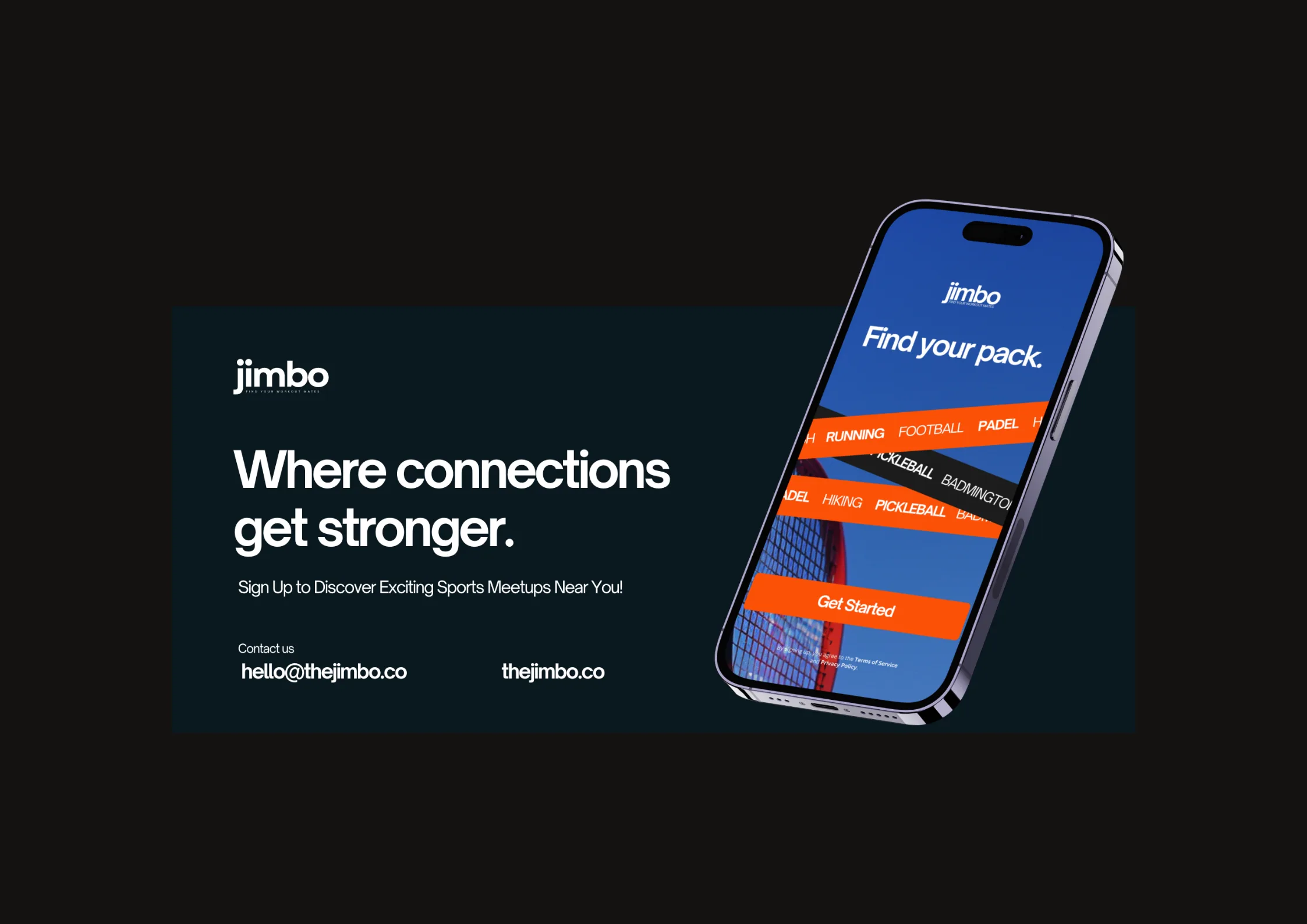
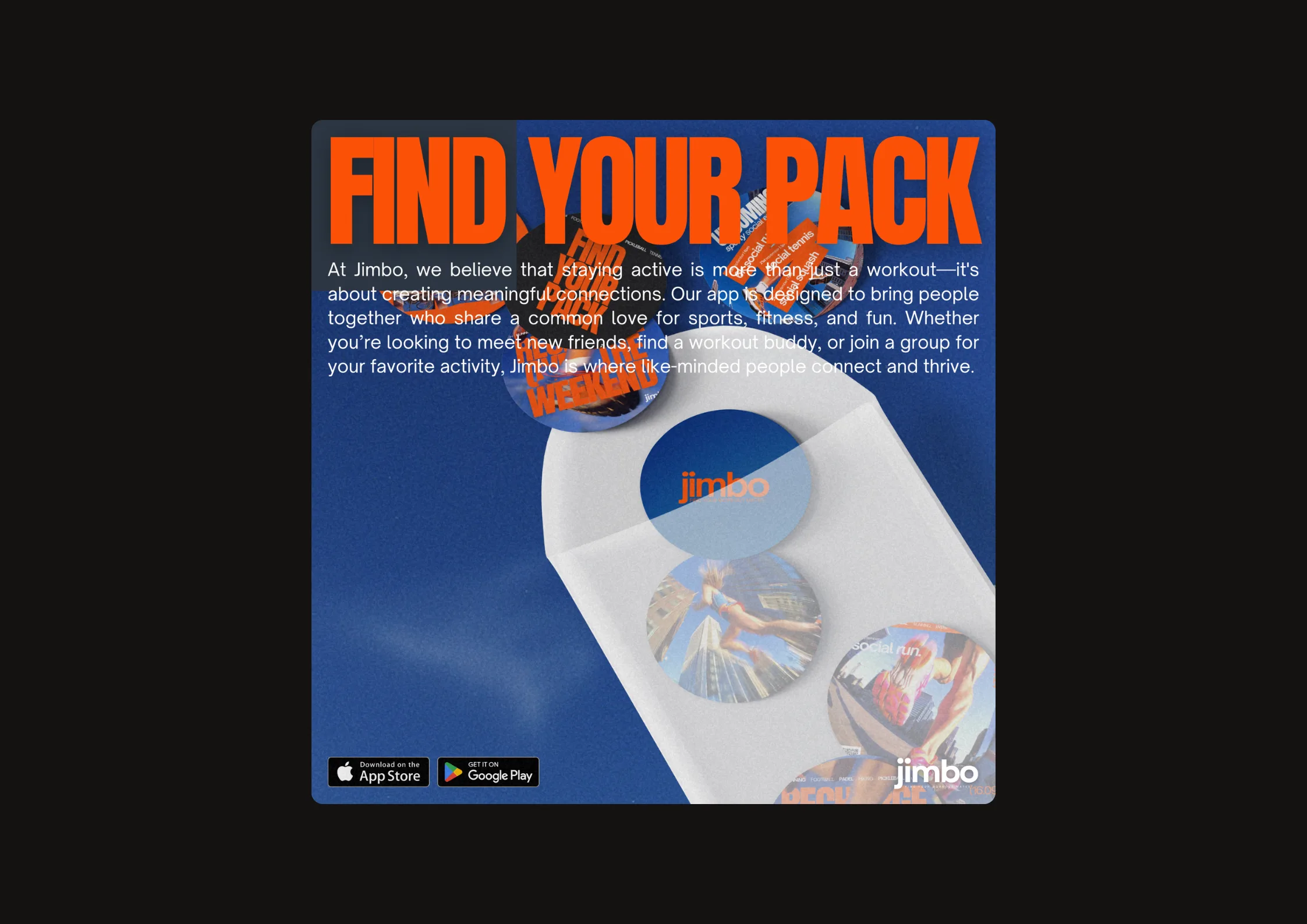

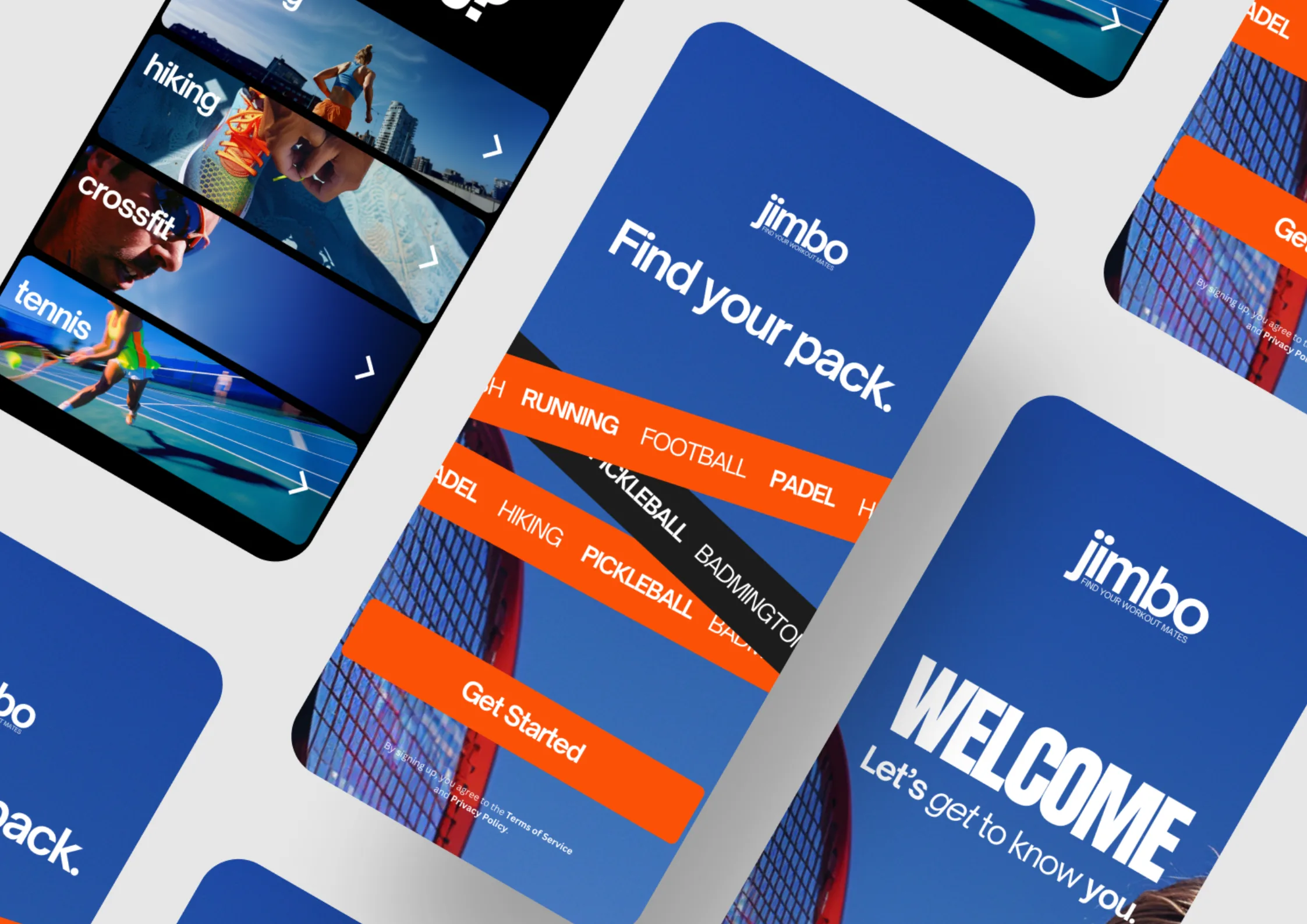
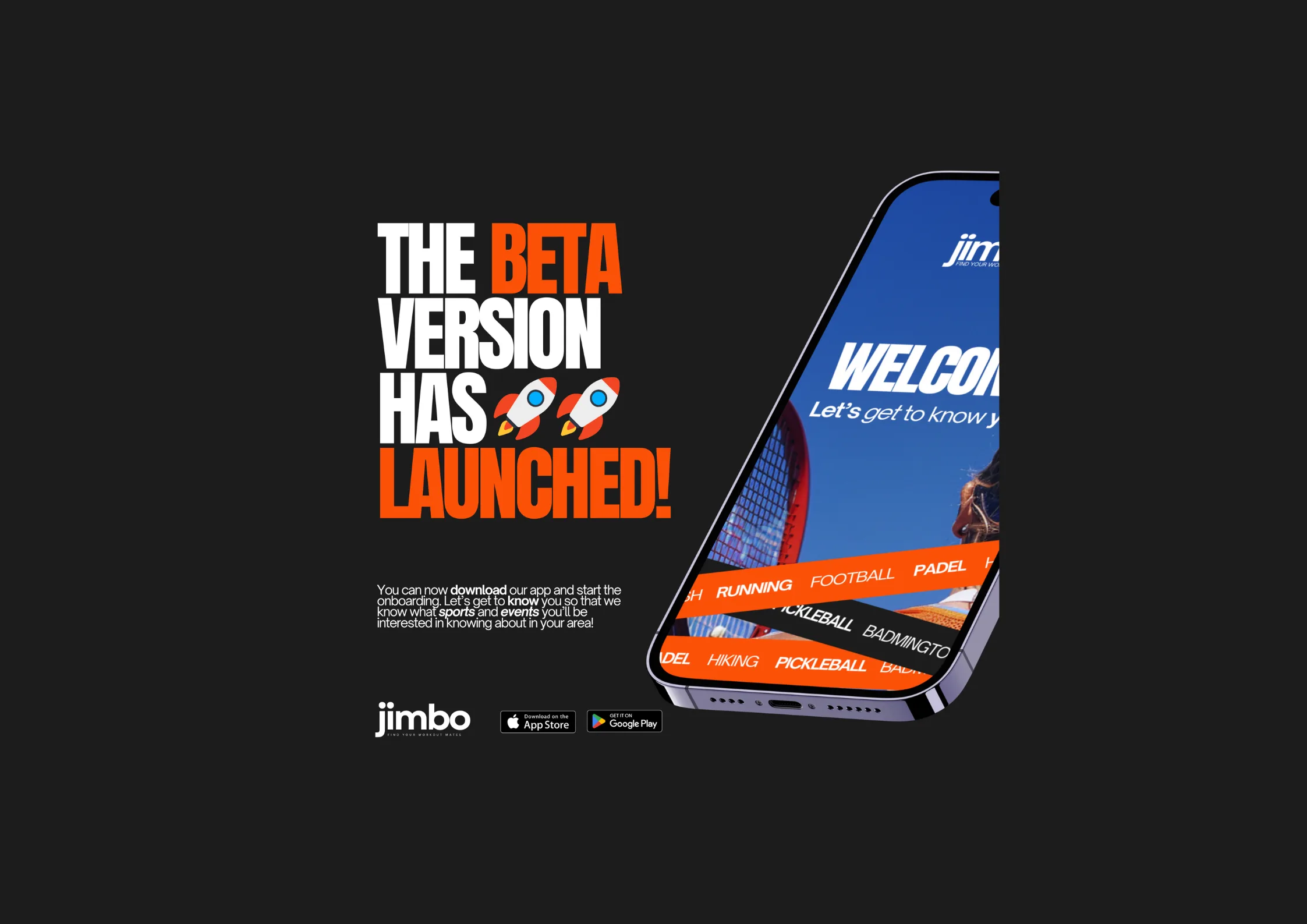
Onboarding is often treated as a checklist. I treated it as a trust building exercise.
The goal was not to collect data, but to orient the user and get them to a meaningful decision quickly. I limited the number of questions, used defaults aggressively, and focused on showing relevant groups or events as soon as possible.
I paid particular attention to copy here. Senior product work is often less about layout and more about expectation setting. Clear language reduces support burden, improves conversion, and builds confidence without adding UI.
Group pages do the heaviest work in the product. They are where users decide whether something feels right for them.
Each group page is designed to answer three questions quickly. Who is this for? What actually happens? How do I get involved?
Rather than overloading the page with features, I focused on hierarchy, scannability, and social proof. The primary call to action is always clear, and secondary actions never compete with it.
This is also where organizer intent becomes visible. Clear rules, schedules, and expectations signal quality more effectively than badges or gamification.
Events are the core conversion point in Jimbo. This is where interest turns into action.
The event page is intentionally structured. Practical details come first, followed by context and expectations. RSVP is framed as a commitment rather than a casual like.
From a systems perspective, RSVP is a critical signal. It informs organizers, unlocks messaging, and changes how the product behaves for that user. Treating it as a first class state rather than a boolean simplified many downstream decisions.
Messaging exists to support real world coordination, not infinite conversation.
I designed messaging to be contextual, tied to groups and events, and lightweight by default. This reduces noise and keeps conversations focused on logistics and participation.
Moderation and safety considerations were built into the architecture early, even if the UI exposure was minimal at first. This is an area where designing ahead of scale matters, because retrofitting trust systems is expensive.
Organizers are power users. The product only works if they feel supported rather than burdened.
Organizer tools focus on speed, visibility, and control. Creating and managing events is designed to be fast, with sensible defaults and minimal repetition. RSVP visibility and communication tools reduce uncertainty and manual follow ups.
I intentionally avoided building features that create busywork. At a senior level, product design is often about deciding what not to ask users to do.
Monetization was approached as a product problem, not a business afterthought.
Paid features are positioned around leverage. Tools that save time, increase attendance, or reduce admin friction are valuable to organizers. Casual players are not forced into payment paths that do not align with their motivation.
The integration with Stripe supports subscriptions and future expansion without locking the product into a rigid pricing model.
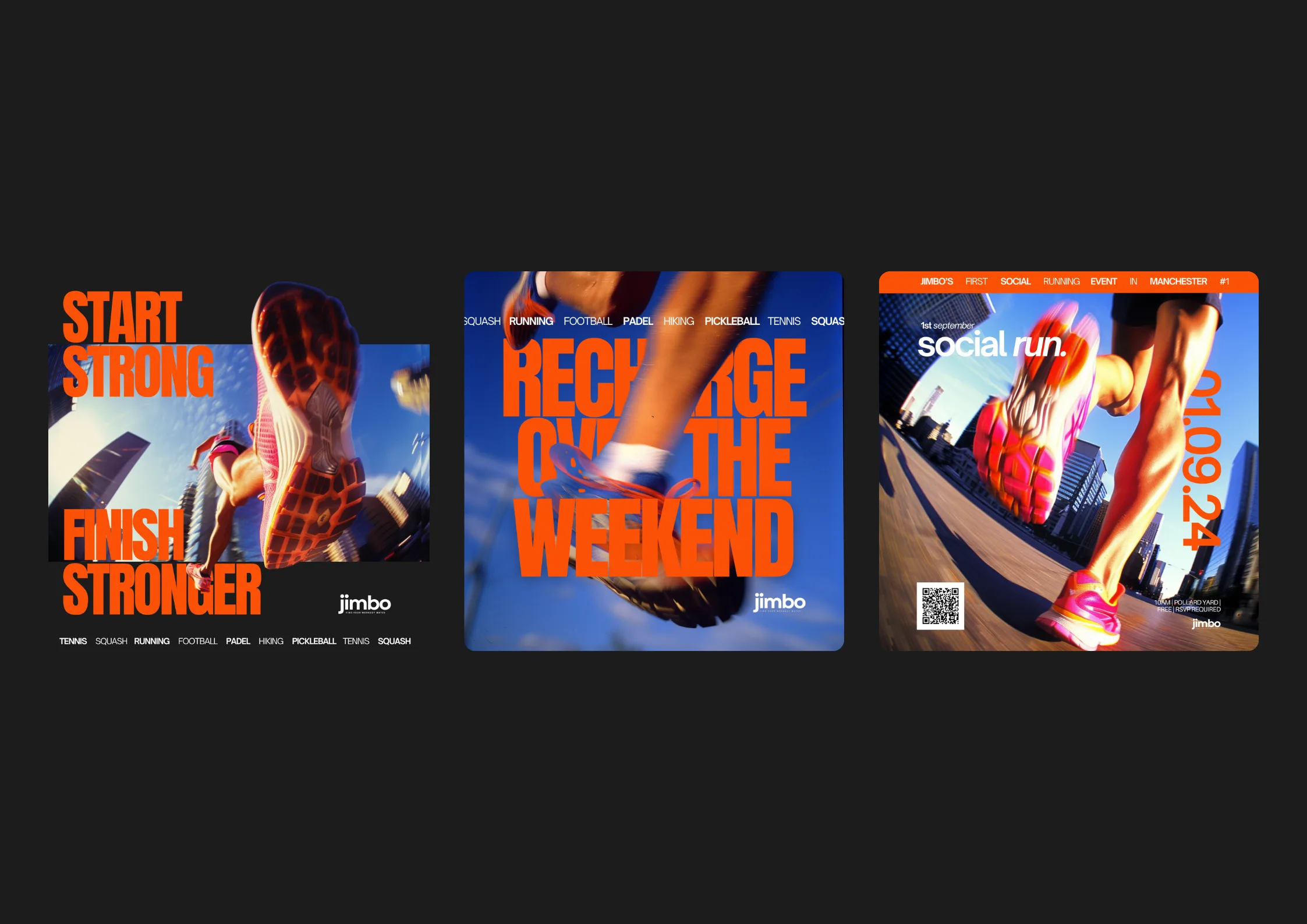
Jimbo is built as a modern web application using Next.js and React on the frontend, Firebase for authentication and data, Vercel for deployment, and Stripe for payments.
This stack was chosen deliberately. It optimizes for iteration speed, reliability, and solo ownership. Managed infrastructure allowed me to focus on product decisions rather than operational overhead, while still maintaining strong performance and security boundaries.
From a product perspective, this mattered because it enabled faster feedback loops and more frequent iteration.
Designing and building alone forces constant prioritization. Context switching between UX, code, and infrastructure is expensive, so I had to be disciplined about scope.
One recurring tradeoff was between flexibility and clarity. It is tempting to make products infinitely configurable, but clarity drives trust. In many cases, I chose opinionated defaults over options.
Another challenge was designing for trust and safety without overengineering. The approach was to build strong foundations in data models and permissions, and layer UI and policy gradually as usage grows.
The product has evolved significantly from its earliest versions.
Early designs were more generic and discovery heavy. Over time, the product became more focused on commitment, reliability, and organizer empowerment. Each iteration removed features that sounded good in theory but did not meaningfully support the core loop.
Jimbo is live, used by real groups, and supports real events. More importantly, it validated a core belief I have as a product designer.
Good products reduce social friction, not just interface friction.
Building Jimbo end to end reinforced how closely design, engineering, and strategy are connected. Decisions made at the data model level shape UX just as much as layout decisions. Copy, defaults, and constraints matter as much as visuals.
Jimbo was an opportunity to practice product design at its fullest scope. From problem framing to system design to execution and iteration.
It reflects how I work as a senior product designer. Start from real behavior. Design systems, not just screens. Be opinionated where it helps users. And ship, learn, and refine continuously.